Is Retinal the Same as Retinaldehyde? A Complete Skincare and Ingredient Guide
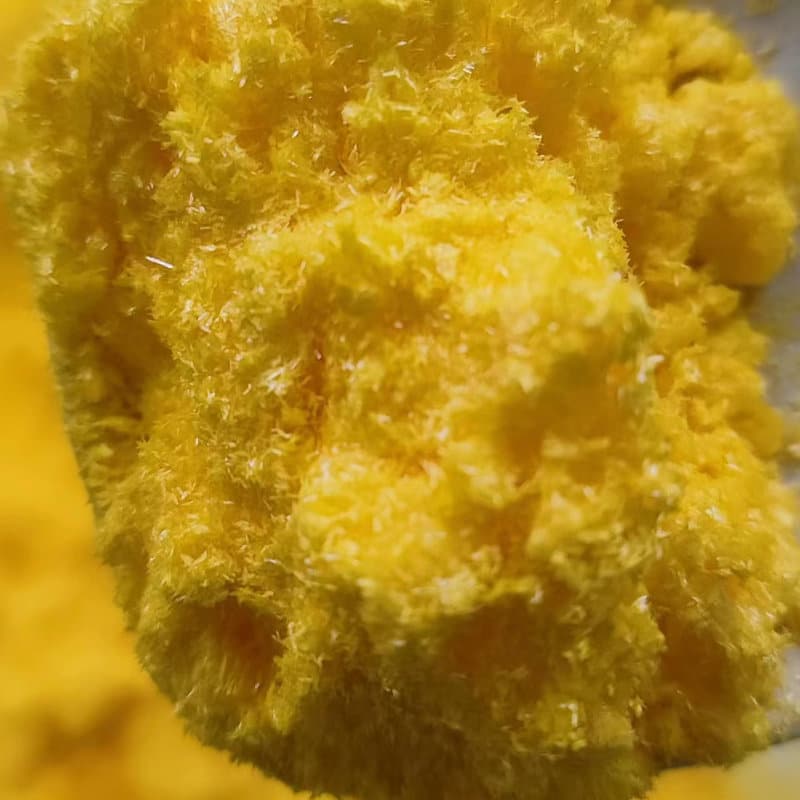
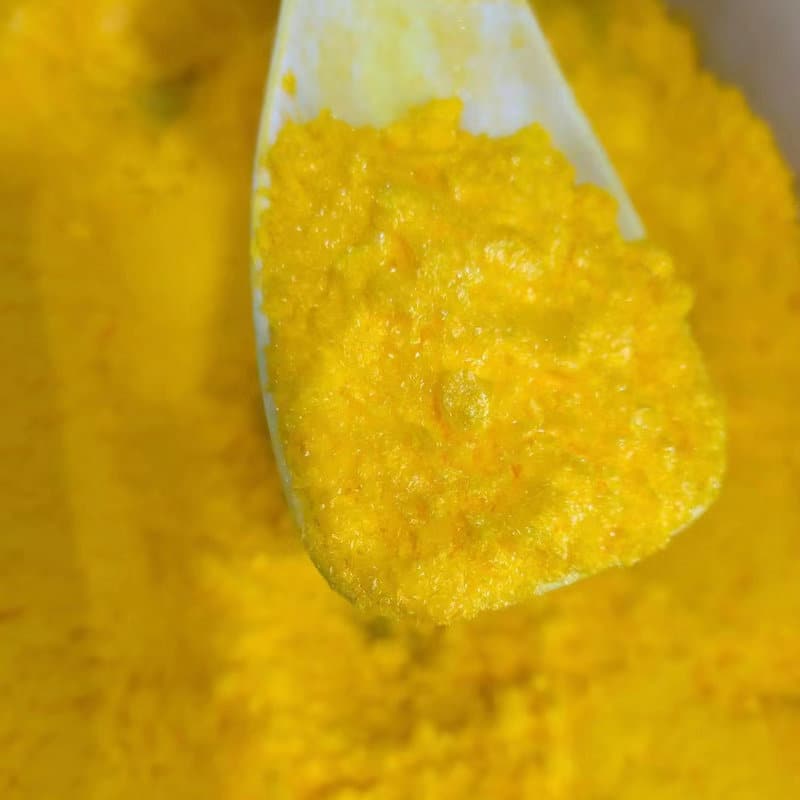
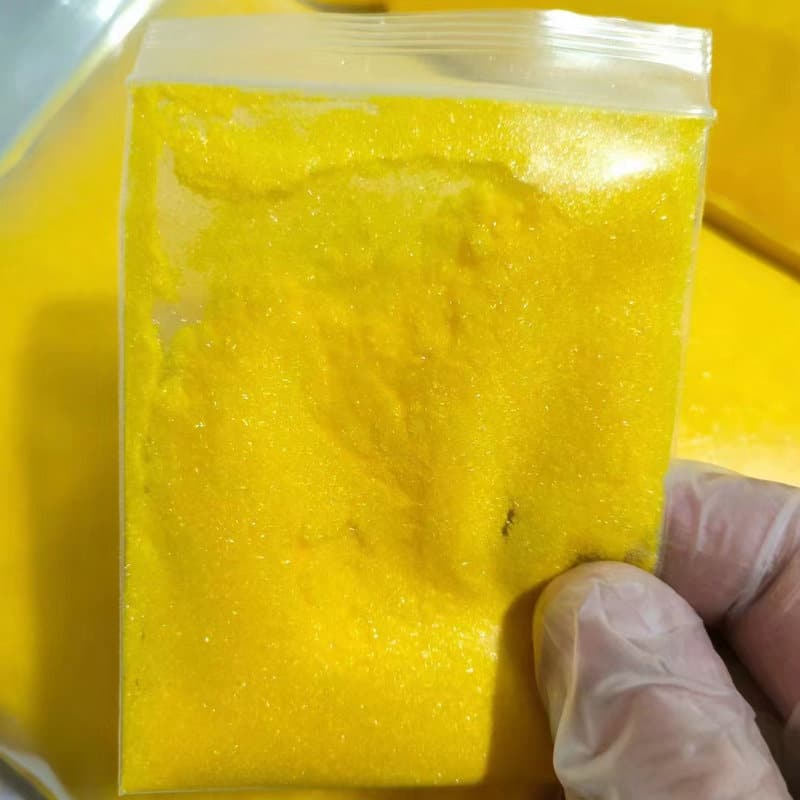
Yes, retinal and retinaldehyde are the same ingredient. Both names refer to a vitamin A-derived compound widely used in skincare products. "Retinal" is the shorter name for "retinaldehyde," and both describe the same chemical substance when referring to the same molecular isomer.
According to PubChem and the NIST Chemistry WebBook, all-trans-retinal is also known as all-trans-retinaldehyde, vitamin A aldehyde, and retinene. Its CAS number is 116-31-4, its molecular formula is C20H28O, and its molecular weight is approximately 284.44 g/mol.
Although retinal and retinaldehyde are interchangeable names, retinal is not the same as retinol, retinoic acid, or retinyl palmitate. Understanding these differences is important when choosing skincare products or evaluating cosmetic raw materials.
1. Are Retinal and Retinaldehyde Exactly the Same?
Yes. In skincare terminology, retinal and retinaldehyde refer to the same vitamin A aldehyde. The longer name emphasizes the aldehyde functional group (-CHO) present in its chemical structure.
Manufacturers may use either term in product descriptions. A serum marketed as a "retinal serum" and another advertised as a "retinaldehyde serum" may contain the same active ingredient.
However, identical ingredient names do not guarantee identical product performance. Concentration, stability, packaging, delivery systems, and other formulation ingredients can affect how a finished product performs.
Retinal and Retinaldehyde Chemical Information
| Property | Information |
|---|---|
| Common name | Retinal |
| Alternative name | Retinaldehyde |
| Specific chemical form | All-trans-Retinal |
| CAS number | 116-31-4 |
| Molecular formula | C20H28O |
| Molecular weight | 284.44 g/mol |
| Chemical family | Vitamin A derivatives (retinoids) |
| Functional group | Aldehyde (-CHO) |
| Common applications | Cosmetic formulations and scientific research |
Important: Retinal can exist in different geometric isomers, including all-trans-retinal and 11-cis-retinal. These forms are chemically related but are not structurally identical. When purchasing a specific raw material, verify its isomer identity rather than relying only on the general name.
2. Why Does Retinal Have Two Different Names?
The difference is primarily a matter of terminology rather than chemistry.
"Retinaldehyde" is a descriptive name that highlights the compound's aldehyde group. "Retinal" is the shorter established name commonly used in scientific literature, ingredient discussions, and skincare marketing.
Other recognized names include:
Retinal
Retinaldehyde
All-trans-Retinal
All-trans-Retinaldehyde
Vitamin A Aldehyde
Vitamin A1 Aldehyde
Retinene
Retinyl Aldehyde
These terms can appear in chemical databases, technical documentation, and scientific articles. However, some explicitly refer to the all-trans isomer, so supplier documentation should confirm the exact chemical identity.
3. Is Retinaldehyde the Same as Retinol?
No. Retinaldehyde and retinol belong to the same retinoid family, but they are chemically different compounds.
Retinol contains an alcohol functional group (-OH), whereas retinaldehyde contains an aldehyde functional group (-CHO).
This structural difference affects their metabolism in the skin.
A simplified vitamin A conversion pathway is:
Retinol → Retinal (Retinaldehyde) → Retinoic Acid
Retinol can be oxidized to retinal, which can then be converted into retinoic acid. Retinoic acid interacts with nuclear retinoic acid receptors involved in regulating gene expression.
Consequently, retinal is one metabolic conversion step away from retinoic acid, whereas retinol is two steps away.
However, fewer conversion steps do not automatically establish a specific difference in clinical effectiveness. Actual results depend on the formulation, concentration, skin response, and duration of use.
Retinal vs Retinol vs Retinoic Acid
| Feature | Retinol | Retinal | Retinoic Acid |
|---|---|---|---|
| Chemical group | Alcohol | Aldehyde | Carboxylic acid |
| CAS number | 68-26-8 | 116-31-4 | 302-79-4 (all-trans form) |
| Conversion steps to retinoic acid | Two | One | None |
| Typical skincare role | Cosmetic retinoid | Cosmetic retinoid | Prescription treatment in many markets |
| Irritation potential | Formulation-dependent | Formulation-dependent | Can cause significant irritation |
The conversion pathway explains why retinal is frequently positioned as an alternative to retinol. Nevertheless, it should not be interpreted as proof that every retinal product is stronger, faster, or more irritating than every retinol product.
4. What Does Retinaldehyde Do for Your Skin?
Retinaldehyde has been studied as a topical retinoid for visible signs of skin aging and photodamage.
Helps Improve the Appearance of Fine Lines
Clinical research suggests that appropriately formulated retinaldehyde products can improve some visible features of photodamaged skin, including wrinkle appearance and surface roughness.
A study published in the Journal of the American Academy of Dermatology compared 0.05% retinaldehyde cream with 0.05% retinoic acid cream and a vehicle control. Both active-treatment groups showed significant improvements in measured wrinkle and roughness characteristics at week 18.
Supports Smoother Skin Texture
Retinoid activity helps regulate processes involved in epidermal differentiation and skin renewal. With appropriate use, retinaldehyde-containing formulations may help improve uneven skin texture.
May Improve Uneven-Looking Skin Tone
Retinaldehyde may be useful in skincare routines targeting visible photodamage and uneven-looking skin. However, improvements depend on the finished formulation, and results should not be assumed to be identical across products.
Potential Relevance for Acne-Prone Skin
Retinoids are widely used in the management of acne-prone skin. Retinaldehyde has also been investigated for dermatological applications, although the clinical evidence supporting established prescription acne treatments is more extensive.
People with persistent or inflammatory acne should seek advice from a dermatologist rather than assume a cosmetic retinal serum will replace an approved acne treatment.

5. Is Retinaldehyde Stronger Than Retinol?
Retinaldehyde is metabolically closer to retinoic acid than retinol, which provides a biochemical reason for its reputation as a more direct-acting cosmetic retinoid.
However, it is not scientifically appropriate to assign a universal potency multiplier to retinal and retinol based only on their names.
For example, a well-formulated retinol product may perform differently from a poorly stabilized retinal product. Clinical outcomes depend on several factors:
Active ingredient concentration
Formulation stability
Ingredient delivery and skin availability
Frequency of application
Individual skin tolerance
Consistency of use
Therefore, when comparing retinaldehyde and retinol, evaluate the complete formulation rather than choosing a product solely on the basis of its advertised potency.
6. How to Use Retinal or Retinaldehyde in a Skincare Routine
Because retinal and retinaldehyde are the same ingredient, the basic guidance for introducing either into a skincare routine is also the same.
Step 1: Start Slowly
Begin with a low-strength product and use it on a limited number of evenings per week, following the manufacturer's instructions.
Step 2: Apply to Clean, Dry Skin
Apply the recommended quantity to clean, dry skin. Avoid the eyes, lips, and other sensitive areas unless the product is specifically designed for those regions.
Step 3: Use a Moisturizer
A suitable moisturizer can help reduce dryness and improve comfort when introducing a retinoid into a skincare routine.
Step 4: Wear Sunscreen During the Day
Use broad-spectrum sunscreen with SPF 30 or higher as part of a consistent daytime sun-protection routine.
Step 5: Increase Frequency Only If Tolerated
If your skin tolerates the product without persistent dryness, burning, or peeling, gradually adjust the application frequency according to the product instructions or dermatologist's advice.
Safety note: Avoid retinoid skincare products during pregnancy. If you are planning a pregnancy or breastfeeding, discuss ingredient use with a qualified healthcare professional.
7. Can You Use Retinal and Retinaldehyde Together?
Because retinal and retinaldehyde are two names for the same ingredient, combining a product labeled "retinal" with one labeled "retinaldehyde" generally means using two products that contain the same type of retinoid.
Using both is usually unnecessary and may increase the total retinoid exposure, potentially causing additional irritation.
For most skincare routines, using one appropriately formulated retinoid product is a more straightforward approach.
If you are already using prescription tretinoin, adapalene, or another retinoid, consult your dermatologist before adding retinaldehyde.
8. How to Identify Genuine Retinaldehyde in Cosmetic Raw Materials
For cosmetic formulators and ingredient buyers, the terms retinal and retinaldehyde should be assessed alongside chemical and quality documentation.
Important verification criteria include:
CAS identification: Confirm the intended compound, including CAS 116-31-4 for all-trans-retinal.
Isomer identification: Check whether the material is all-trans-retinal or another geometric isomer.
Purity: Review the supplier's stated specification and analytical results.
COA: Request a batch-specific Certificate of Analysis.
Analytical testing: Review appropriate HPLC, NMR, or other identity and purity documentation when available.
Storage and stability: Follow the supplier's verified instructions regarding light, oxygen, temperature, and packaging.
Retinal is chemically sensitive, and its quality can be affected by storage conditions and processing. Finished cosmetic products also require appropriate formulation stability evaluation.
Importantly, a raw material's purity is not the same as the recommended concentration in a finished cosmetic product. Formulators must evaluate applicable regulations and product safety before selecting a usage level.

9. Frequently Asked Questions About Retinal and Retinaldehyde
Is retinal just another name for retinaldehyde?
Yes. Retinal is the shorter name for retinaldehyde. In skincare, both names generally refer to the same vitamin A aldehyde ingredient.
Do retinal and retinaldehyde have the same CAS number?
Yes, when referring to the same all-trans compound. All-trans-retinal and all-trans-retinaldehyde are associated with CAS 116-31-4.
Are retinal and retinaldehyde equally effective?
As chemical names, they identify the same ingredient, so there is no inherent difference in activity between the names. However, two finished products may differ in concentration, stability, delivery, and clinical performance.
Is retinaldehyde the same as retinal acid?
No. Retinaldehyde is an aldehyde, while retinoic acid is a different chemical compound. Retinaldehyde can be converted into retinoic acid through metabolic processes.
Is retinal the same as retinol?
No. Retinol and retinal are distinct vitamin A derivatives. Retinol contains an alcohol group, while retinal contains an aldehyde group.
Is retinaldehyde suitable for beginners?
Some low-strength retinaldehyde formulations may be suitable for beginners, but tolerance varies. People with sensitive skin should introduce retinoids gradually and consider professional advice.
Can retinaldehyde be used every night?
Some people eventually tolerate nightly use, but daily application is not necessary for everyone. Frequency should be based on the product instructions, skin tolerance, and professional guidance where appropriate.
Is retinaldehyde better than retinol for wrinkles?
Retinaldehyde is one conversion step closer to retinoic acid, but that alone does not establish that every retinaldehyde product produces better wrinkle results than every retinol product. Both the formulation and clinical evidence matter.
Does retinaldehyde have a different chemical structure from retinal?
No, not when both names refer to the same molecular isomer. All-trans-retinal and all-trans-retinaldehyde describe the same chemical structure.
Does retinaldehyde require special storage?
Retinaldehyde can be sensitive to environmental conditions, including light and oxygen. Raw-material suppliers and formulators should use storage and packaging conditions supported by product-specific stability information.
10. Final Verdict: Is Retinal the Same as Retinaldehyde?
Yes. Retinal and retinaldehyde are interchangeable names for the same vitamin A aldehyde when referring to the same isomer.
The distinction is terminology, not ingredient strength or skincare effectiveness.
All-trans-retinal (CAS 116-31-4) is a vitamin A derivative used in cosmetic formulations and investigated in dermatological research. It differs from retinol and retinoic acid in chemical structure and metabolic conversion.
For skincare consumers, the most important considerations are product formulation, concentration, tolerance, and proper usage. For ingredient buyers, chemical identity, isomer specification, batch documentation, purity, and storage stability are essential.
Scientific References
PubChem. Retinal, Compound CID 638015. Chemical identity, synonyms and molecular information.
NIST Chemistry WebBook. Retinal, CAS 116-31-4. Chemical properties and alternative names.
Creidi P, et al. Profilometric evaluation of photodamage after topical retinaldehyde and retinoic acid treatment. Journal of the American Academy of Dermatology. 1998. Clinical study.
Metabolism of topical retinaldehyde. PubMed research article.
American Academy of Dermatology. Retinoid or retinol?
American Academy of Dermatology. Dermatologist-approved pregnancy skin care.