Is Retinal or Retinol Better? A Science-Based Guide to Choosing the Right Retinoid
Is retinal or retinol better? Retinal (retinaldehyde) may be the better choice for someone looking for a potentially more active cosmetic retinoid, especially if they already tolerate vitamin A skincare. Retinol may be preferable for beginners who want a gradual introduction. However, neither ingredient is universally better: the concentration, formulation, skin condition, and consistency of use all influence the results.
Both retinal and retinol are vitamin A derivatives used in skincare to improve the appearance of fine lines, uneven skin texture, and photoaging. The main difference is that retinal requires one conversion step to become retinoic acid, while retinol requires two.
Although this gives retinal a theoretical advantage, fewer conversion steps do not guarantee faster or better visible results with every product. Clinical performance depends on much more than the ingredient name.
Retinal vs Retinol: Quick Comparison
| Feature | Retinal (Retinaldehyde) | Retinol |
|---|---|---|
| Ingredient family | Retinoid | Retinoid |
| CAS number | 116-31-4 | 68-26-8 |
| Conversion to retinoic acid | One step | Two steps |
| Potential activity | Closer metabolic precursor | Requires an additional conversion |
| Anti-aging benefits | Supported by clinical studies | Supported by clinical studies |
| Skin irritation | Possible; formulation-dependent | Possible; formulation-dependent |
| Suitability for beginners | May suit some beginners at an appropriate strength | Common starting option |
| Availability | Found in selected cosmetic products | Widely available in cosmetic products |
| Stability | Sensitive to formulation and storage conditions | Sensitive to formulation and storage conditions |
| Best choice | Users seeking a retinal-based routine with appropriate tolerance | Users preferring an established, gradual skincare routine |
Bottom line: Retinal has a shorter conversion pathway, but a well-formulated retinol product can be a better practical choice than a poorly formulated retinal product.
What Is the Difference Between Retinal and Retinol?
Retinal and retinol are chemically related molecules belonging to the retinoid family. Both can serve as precursors to retinoic acid, a biologically active form of vitamin A involved in skin-cell regulation.
How Retinol Works
Retinol is a vitamin A alcohol used in many anti-aging creams, serums, and lotions. After entering the skin, retinol can be converted into retinal and subsequently into retinoic acid.
The conversion pathway is:
Retinol → Retinal → Retinoic Acid
Topical retinol has been investigated for its potential to improve skin texture, fine wrinkles, and visible signs of sun damage. However, effectiveness varies across clinical studies and commercial formulations.
How Retinal Works
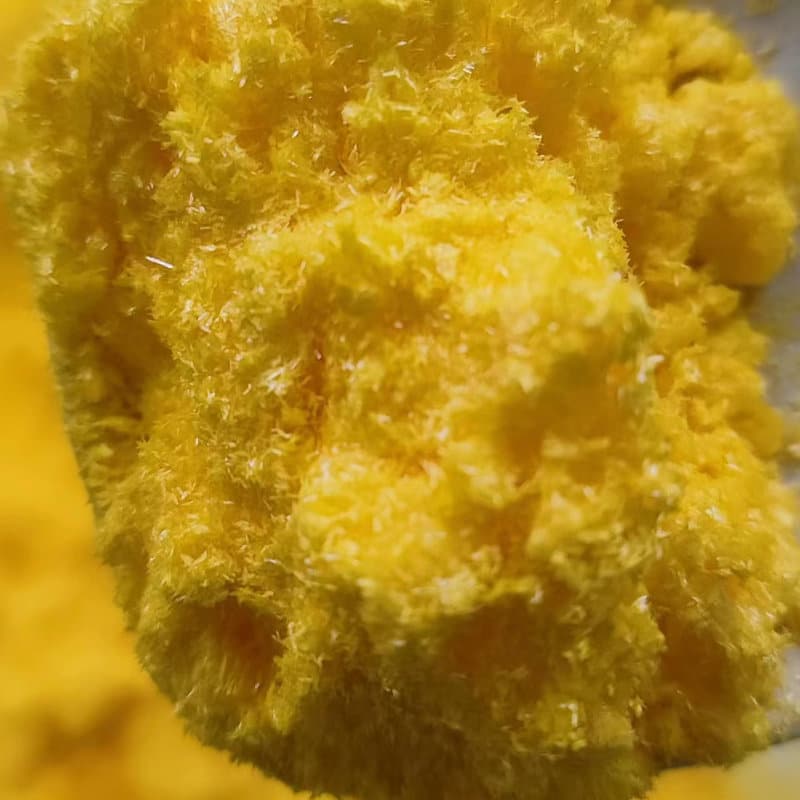
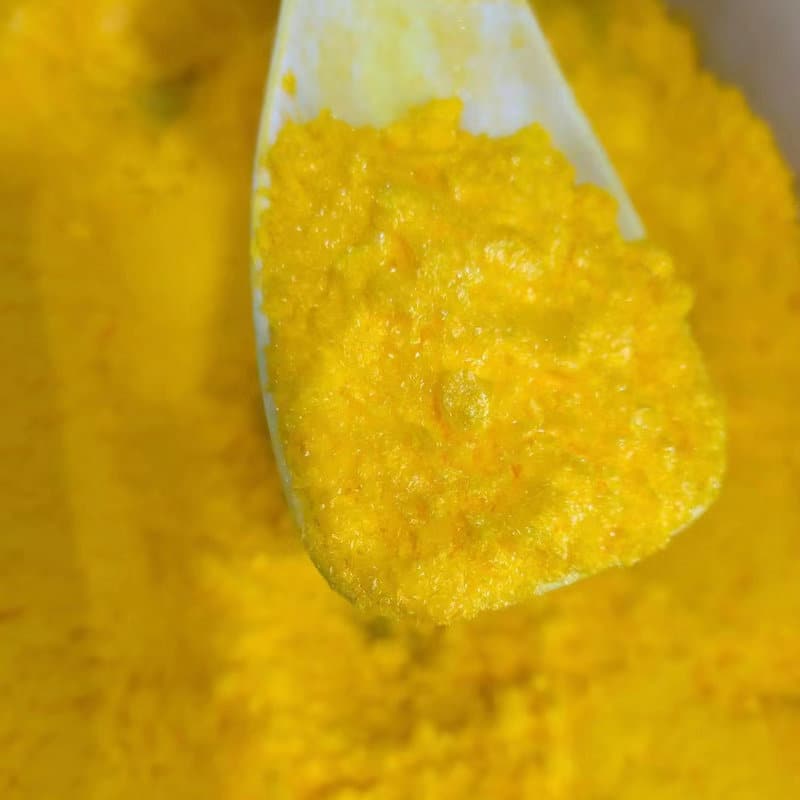
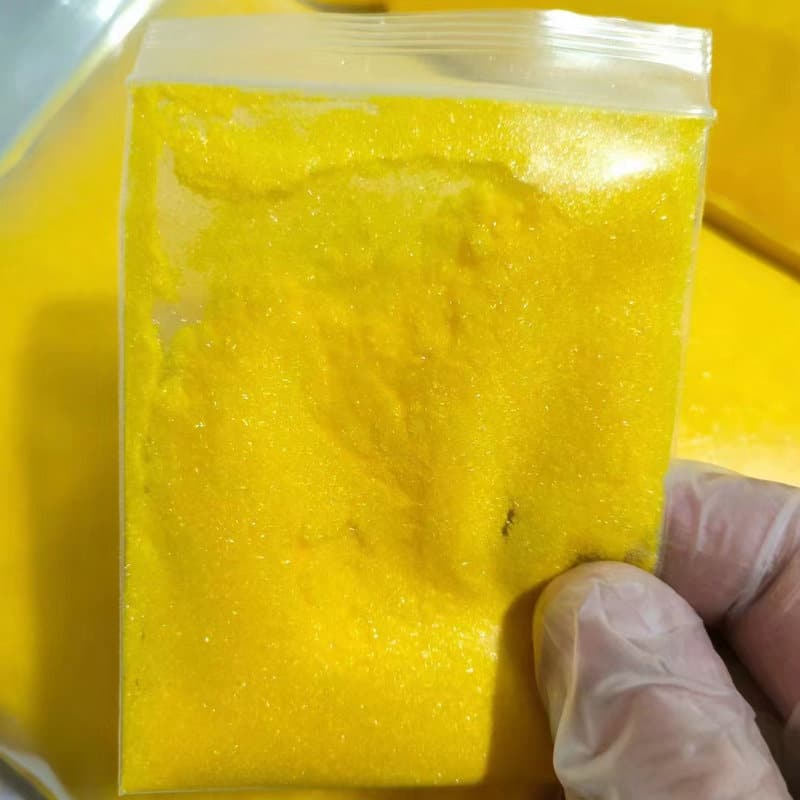
Retinal, also called retinaldehyde, is the aldehyde form of vitamin A. It is one metabolic step closer to retinoic acid than retinol.
Its conversion pathway is:
Retinal → Retinoic Acid
This difference makes retinal an attractive cosmetic ingredient for anti-aging formulations. Nevertheless, the skin regulates retinoid metabolism, and not all applied retinal is converted into retinoic acid.
Retinal should therefore not be considered equivalent to prescription tretinoin.
Is Retinal Better Than Retinol for Wrinkles?
Retinal may provide an advantage for certain anti-aging outcomes, but the clinical evidence does not establish that every retinal product works better than every retinol product.
Both ingredients have been studied for improving photoaged skin, including visible fine lines, skin roughness, and texture.
What Does Clinical Research Show?
A 2021 randomized, split-face clinical study compared retinaldehyde formulations containing multilamellar vesicles with retinol creams at corresponding concentrations of 0.05% or 0.1%.
The study included 23 Korean volunteers and evaluated results after eight weeks.
Both treatments improved several measured signs of skin aging. The retinaldehyde formulation produced greater improvements than the retinol-treated side for several assessed parameters, although dermal density was an exception.
Importantly, the study evaluated a particular delivery system. Its findings cannot be used to claim that retinal itself is always superior regardless of formulation.
Another clinical trial published in 2018 investigated retinaldehyde creams containing 0.05% and 0.1% active ingredient over three months. Both concentrations improved skin texture and hydration, while the higher concentration also improved the measured melanin index.
These results suggest retinaldehyde can be an effective cosmetic ingredient for photoaged skin.
However, larger head-to-head studies are still useful for establishing how retinal and retinol compare across different concentrations, products, and skin types.
Which Should You Choose for Anti-Aging?
Choose retinal if you want to try a retinoid closer to retinoic acid and your skin can tolerate the selected formulation.
Choose retinol if you want to begin with a conventional vitamin A skincare ingredient and introduce it gradually.
Choose neither temporarily if your skin is irritated, severely dry, or experiencing an active barrier problem.
Consistency and tolerance are important. An ingredient that causes persistent irritation may be less useful than a product you can comfortably use over time.
Is Retinal or Retinol Better for Acne?
Retinoids are important ingredients in acne treatment because certain members of this family help regulate skin-cell turnover and reduce clogged pores.
Retinal and retinol are sometimes included in cosmetic products marketed to acne-prone skin. However, evidence for treating acne with these cosmetic ingredients is not as established as the clinical evidence supporting acne medications such as adapalene and tretinoin.
Retinal for Acne-Prone Skin
Retinal may be useful in a cosmetic routine designed for acne-prone skin, particularly when uneven texture and post-breakout appearance are concerns.
Nevertheless, retinal should not be presented as a proven replacement for approved acne medication.
Retinol for Acne-Prone Skin
Retinol may also be included in skincare routines for blemish-prone skin. The ability to tolerate the complete formulation is especially important when the skin is already irritated by acne products.
Which is better? For mild cosmetic concerns, the better option is the product that your skin tolerates. For persistent, inflammatory, or scarring acne, consult a dermatologist about evidence-based acne treatments instead of relying exclusively on cosmetic retinal or retinol.
Is Retinal or Retinol Better for Hyperpigmentation?
Both ingredients may help improve the appearance of uneven skin tone associated with photoaging.
Retinoids can influence epidermal renewal and are often incorporated into pigmentation-focused skincare routines.
The 2018 retinaldehyde trial reported an improvement in the measured melanin index with a 0.1% retinaldehyde formulation, but not a statistically significant improvement in this measure with the 0.05% formulation.
This demonstrates why concentration and formulation are relevant when evaluating cosmetic benefits.
However, neither retinal nor retinol should be assumed to treat every type of pigmentation equally. Melasma, post-inflammatory hyperpigmentation, and sun-related discoloration may require different approaches.
Broad-spectrum sunscreen is essential because ultraviolet exposure can worsen pigmentation and undermine improvements from skincare.
Is Retinal Stronger Than Retinol?
Retinal is one conversion step closer to retinoic acid, but it is misleading to assign a universal strength multiplier to retinal compared with retinol.
Online skincare discussions sometimes describe retinal as a fixed number of times stronger or faster than retinol. Such claims should not be applied to all formulations without supporting comparative clinical data.
The actual performance of a cosmetic retinoid depends on:
Active ingredient concentration
Formulation and delivery system
Chemical stability
Ingredient penetration into the skin
Individual skin metabolism
Frequency and consistency of application
Overall skin tolerance
For example, comparing 0.1% retinal with 0.1% retinol does not guarantee an identical relationship between concentrations and clinical effects.
Percentages alone are insufficient to predict irritation or effectiveness.
Which Is Better for Sensitive Skin: Retinal or Retinol?
Retinol is frequently recommended as a starting ingredient for people new to retinoids, but sensitive skin does not automatically tolerate retinol better than retinal.
Both may cause temporary or persistent irritation, especially when introduced too frequently or used alongside other irritating skincare products.
Possible side effects include:
Dryness
Redness
Peeling
Stinging or burning
Increased sensitivity
Skin barrier discomfort
Some retinal formulations have demonstrated favorable tolerability in clinical trials. However, it would be inaccurate to conclude that retinal is always less irritating than retinol.
How to Reduce Retinoid Irritation
Introduce only one retinoid product at a time. Begin with infrequent applications, such as every other night or less often according to your skin's response and product instructions.
Use a gentle moisturizer and avoid introducing multiple exfoliating or irritating ingredients at the same time.
If your skin develops significant redness, pain, swelling, or persistent irritation, discontinue the product and seek professional advice.
People with eczema, rosacea, or a compromised skin barrier should consult a dermatologist before starting a retinoid routine.
Retinal vs Retinol: Which Is Better for Your Skin Type?
| Skin Type or Concern | Practical Recommendation | Reason |
|---|---|---|
| Retinoid beginners | Consider a low-strength retinol product | Allows a gradual introduction to vitamin A skincare |
| Experienced retinoid users | Consider retinal | Offers another clinically studied cosmetic retinoid option |
| Fine lines and photoaging | Either ingredient | Both have supporting evidence, with formulation-dependent results |
| Dry or reactive skin | Seek professional guidance if necessary | Either ingredient may increase irritation |
| Oily skin | Either ingredient in a suitable formulation | The complete product texture and ingredients matter |
| Acne-prone skin | Consider dermatologist-recommended acne treatments for active acne | Approved acne retinoids have more established treatment evidence |
| Uneven skin tone | Either ingredient alongside sun protection | Both may be useful in photoaging-focused skincare |
| Pregnancy | Avoid both | Retinoids are not recommended during pregnancy |
How to Use Retinal or Retinol Correctly
Once you have chosen your product, correct application can improve comfort and help maintain a consistent routine.
Step 1: Start With One Retinoid
Avoid introducing retinal and retinol together when beginning a new routine. Using both is generally unnecessary and may increase irritation without providing an established additional benefit.
Step 2: Apply at Night
Follow the product's instructions. A typical evening routine begins with gentle cleansing, followed by allowing the skin to dry before applying the retinoid.
Step 3: Use the Recommended Amount
Follow the label for the particular product. For many facial retinoid creams, a pea-sized amount is sufficient for the entire face.
Avoid direct contact with the eyes, lips, and irritated areas unless the product is specifically formulated and labeled for those locations.
Step 4: Moisturize
Use a gentle moisturizer to reduce dryness. Depending on skin tolerance, applying moisturizer before or after the retinoid may help.
Step 5: Introduce It Gradually
Start two or three nights per week, or less often if your skin is especially reactive. Increase the frequency only when the skin tolerates the product comfortably.
Step 6: Apply Sunscreen Every Morning
Use broad-spectrum SPF 30 or higher, together with other sun-protective measures.
Sun protection is essential for managing photoaging and reducing the likelihood of pigmentation concerns.
How Long Does Retinal or Retinol Take to Work?
Visible improvement from either ingredient usually requires consistent use over several weeks to months. There is no scientifically established timeline that applies to every user or product.
In an eight-week comparative clinical trial, both retinaldehyde and retinol formulations produced measurable improvements in skin-aging parameters.
Other investigations of retinaldehyde have evaluated improvements after approximately three months or longer.
These study periods should not be interpreted as guaranteed results for individual users.
When assessing your routine, pay attention to both improvement and tolerance. Frequent irritation is not proof that an ingredient is working better.
Can You Switch From Retinol to Retinal?
Yes. Some people who already use retinol may decide to try a retinal product.
However, switching to retinal does not automatically mean that the new product will produce superior results.
When changing formulations:
Introduce the new product gradually.
Avoid using both retinoids simultaneously during the transition.
Follow the manufacturer's concentration and application guidance.
Monitor the skin for dryness, redness, and discomfort.
Continue using moisturizer and daytime sunscreen.
If your current retinol product provides satisfactory results without irritation, there is no medical requirement to switch to retinal.
What Should You Look for When Buying Retinal or Retinol Products?
The active ingredient is important, but a good finished product also depends on formulation quality.
1. Clear Ingredient Identification
Look for the ingredient names Retinal, Retinaldehyde, or Retinol on the ingredient list.
Retinal and retinol are different from retinyl esters and prescription retinoic acid preparations.
2. Appropriate Concentration
Choose a formulation intended for your skin's tolerance and experience level. A higher percentage is not necessarily better.
3. Suitable Packaging
Retinoid ingredients can be sensitive to light, oxygen, and environmental conditions.
Protective packaging, such as opaque containers or appropriate air-limiting dispensing systems, may help support formulation stability.
4. Formulation Stability
Retinoid stability is an important product-quality consideration. Encapsulation, antioxidants, compatible excipients, and appropriate manufacturing conditions can influence the stability of a finished formulation.
Marketing claims about stabilization should ideally be supported by product-specific testing.
5. Skin Compatibility
Look at the complete ingredient list, not just the retinoid percentage. A product containing additional exfoliating acids or other potentially irritating components may not be appropriate for every user.
Retinal vs Retinol for Cosmetic Formulators
For cosmetic product developers, choosing between retinal and retinol involves more than their conversion pathways.
Both are vitamin A ingredients that require careful consideration of formulation compatibility, stability, packaging, and applicable cosmetic regulations.
Retinol (CAS 68-26-8) has a long history of use in cosmetic formulations, including anti-aging serums and creams.
Retinal (CAS 116-31-4) is an alternative ingredient of interest in advanced cosmetic retinoid development.
When evaluating raw materials, formulators should consider:
Raw material identity and purity
Certificate of Analysis (COA)
Analytical testing methods such as HPLC
Storage and transport requirements
Finished-product stability testing
Compatibility with packaging materials
Local cosmetic ingredient restrictions
Safety assessment for the intended finished-product concentration
Raw material purity should not be confused with the recommended concentration in a finished cosmetic product.
Cosmetic formulators should also verify regulatory requirements in their target markets, since permitted uses and restrictions can differ by jurisdiction.
Frequently Asked Questions About Retinal and Retinol
Is retinal actually better than retinol?
Retinal may have an advantage in some formulations and clinical outcomes because it is one conversion step closer to retinoic acid. However, the available evidence does not prove that every retinal product is better than every retinol product.
Is retinal stronger than 1% retinol?
There is no universally accepted conversion formula that equates a specific retinal concentration with 1% retinol. Product potency and tolerance depend on concentration, formulation, stability, and skin response.
Which is better for beginners, retinal or retinol?
Retinol is a common introductory option, particularly when offered in a suitable low-strength formulation. Some retinal products may also be tolerated by beginners, but gradual introduction remains important.
Does retinal work faster than retinol?
Retinal has a shorter metabolic conversion pathway. However, this does not guarantee faster visible improvements for every product. Direct comparative studies remain limited.
Is retinal less irritating than retinol?
Not necessarily. Both ingredients can cause irritation. Some retinal formulations have demonstrated good tolerability, but the results cannot be generalized to every product or skin type.
Can you use retinal and retinol together?
Using both in the same routine is generally unnecessary. Combining them may increase irritation, and evidence demonstrating additional benefits from simultaneous cosmetic use is limited.
Is retinal better for mature skin?
Retinal can be a reasonable option for mature skin, particularly when fine lines and photoaging are the main concerns. Retinol can also provide benefits. The better choice is the formulation that delivers useful results while remaining tolerable.
Should I use retinal or retinol every night?
Not necessarily. Beginners should usually introduce retinoids gradually and increase frequency only as tolerated and according to the manufacturer's instructions.
Can retinal and retinol be used during pregnancy?
No. Dermatology guidance recommends avoiding retinoids, including cosmetic vitamin A derivatives, during pregnancy. Consult a qualified healthcare professional about suitable alternatives.
Is retinal the same as tretinoin?
No. Retinal is retinaldehyde, a precursor of retinoic acid. Tretinoin is all-trans retinoic acid itself. Their biological activity, clinical evidence, and regulatory status differ.
Final Verdict: Is Retinal or Retinol Better?
Retinal may be the better option for users who want to explore a cosmetic retinoid closer to retinoic acid, while retinol may be the better choice for users seeking a familiar and gradually introduced vitamin A ingredient.
Neither ingredient is automatically superior in every skincare product.
The most effective choice depends on your goals, the product formulation, your skin's tolerance, and how consistently you can use it.
For fine lines, uneven texture, and photoaging, both retinal and retinol have supporting clinical evidence. For persistent acne, severe irritation, or complex pigmentation concerns, professional dermatological advice is more useful than relying on ingredient-strength comparisons alone.
Whichever retinoid you select, use it according to the product instructions, support your skin barrier with moisturizer, and maintain consistent daytime sun protection.
Scientific References
Kim J, et al. The efficacy and safety of multilamellar vesicle containing retinaldehyde: A randomized, split-face controlled study. Journal of Cosmetic Dermatology. 2021. View study.
Kwon HS, et al. Efficacy and safety of retinaldehyde 0.1% and 0.05% creams used to treat photoaged skin: A randomized double-blind controlled trial. Journal of Cosmetic Dermatology. 2018. View study.
Creidi P, et al. Profilometric evaluation of photodamage after topical retinaldehyde and retinoic acid treatment. Journal of the American Academy of Dermatology. 1998. View study.
Cosmetic retinoid use in photoaged skin: A review of the compounds, their use and mechanisms of action. International Journal of Cosmetic Science. 2025. Read review.
American Academy of Dermatology Association. Retinoid or retinol? Read dermatology guidance.
Editorial note: This article provides general educational information and is not a substitute for individualized medical advice. Research findings relate to the specific formulations and populations studied.