Difference in Retinol and Retinal: Which Is Better for Your Skin?
What is the difference in retinol and retinal? Both are vitamin A derivatives used in skincare to improve the appearance of fine lines, uneven skin tone, and rough texture. The main difference is how they are converted into retinoic acid in the skin. Retinol requires two metabolic conversion steps, while retinal (also called retinaldehyde) requires only one.
Because retinal is closer to retinoic acid in this conversion pathway, it has the potential for greater biological activity. However, the actual results depend on concentration, formulation, stability, and individual skin tolerance. Retinal is not automatically better than retinol for everyone.
This guide compares retinol and retinal based on their chemical structures, skincare benefits, clinical evidence, irritation potential, and practical use.
Retinol vs Retinal: Key Differences at a Glance
The following table summarizes the most important differences between these two popular retinoids.
| Feature | Retinol | Retinal (Retinaldehyde) |
|---|---|---|
| Ingredient category | Vitamin A derivative | Vitamin A derivative |
| CAS number | 68-26-8 (all-trans-retinol) | 116-31-4 (all-trans-retinal) |
| Molecular formula | C20H30O | C20H28O |
| Molecular weight | 286.45 g/mol | 284.44 g/mol |
| Functional group | Alcohol (-OH) | Aldehyde (-CHO) |
| Conversion to retinoic acid | Two steps | One step |
| Potential biological activity | Generally lower in the metabolic pathway | Generally higher in the metabolic pathway |
| Anti-aging benefits | Supported by formulation-specific clinical studies | Supported by clinical studies, with fewer direct comparisons |
| Irritation potential | Can cause dryness, peeling, and redness | Can also cause dryness, peeling, and redness |
| Suitable users | Often a practical starting option | An alternative for users seeking a different retinoid formulation |
| Formulation challenges | Sensitive to light, oxygen, and heat | Also requires careful stability protection |
Quick takeaway: Retinol has a longer conversion pathway and an extensive history of cosmetic use. Retinal is one step closer to retinoic acid, but the quality of the finished formulation is critical when comparing actual skin benefits.
1. What Is Retinol?
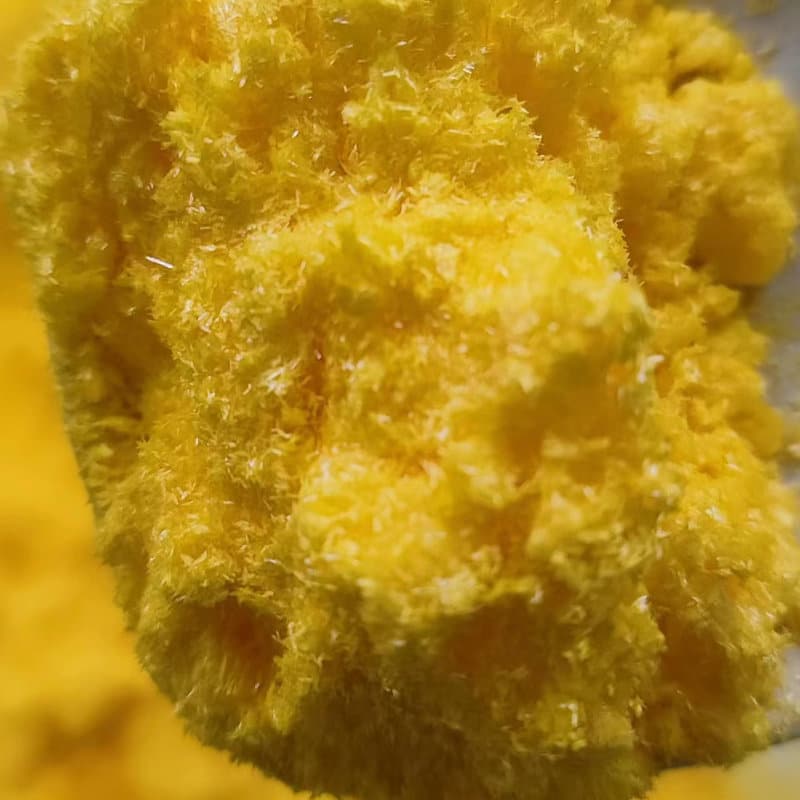
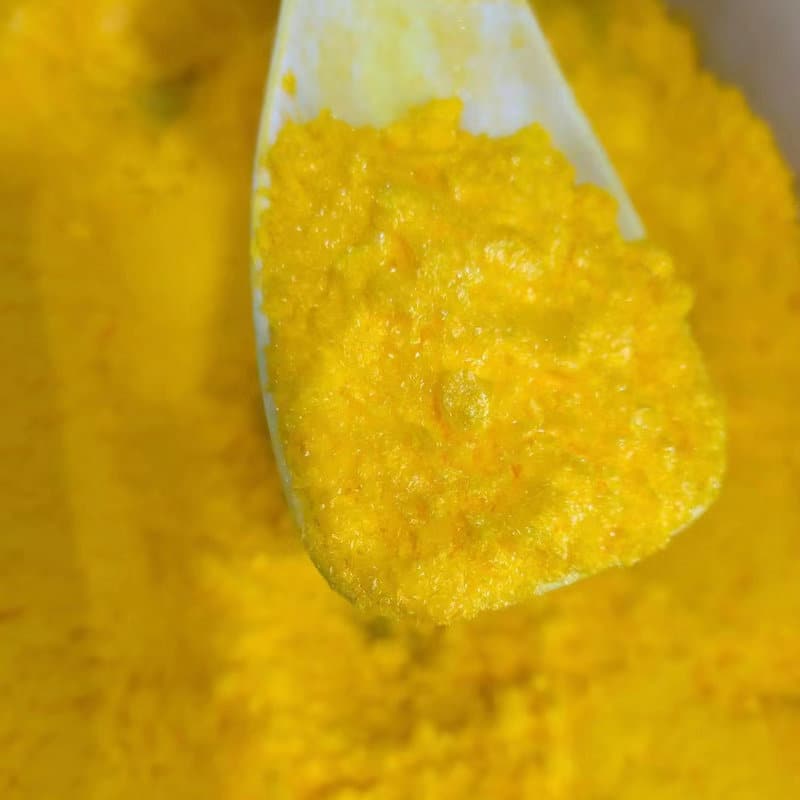
Retinol is a fat-soluble form of vitamin A belonging to the retinoid family. Its INCI name is Retinol, and its all-trans form is identified by CAS number 68-26-8.
In cosmetic formulations, retinol is commonly included in serums, creams, and other products designed to improve visible signs of skin aging.
What Does Retinol Do for the Skin?
Retinol can help:
Reduce the appearance of fine lines and wrinkles over time.
Improve uneven skin texture.
Support a more even-looking skin tone.
Improve the appearance of certain pigmentation concerns.
Support processes associated with collagen production and epidermal renewal.
Research has demonstrated changes in skin structure and collagen-related markers following topical retinol application. One clinical study also reported improvements in facial wrinkles after 12 weeks of treatment.
However, results differ between products. Not every over-the-counter retinol formulation has demonstrated meaningful benefits in controlled clinical trials.
2. What Is Retinal?
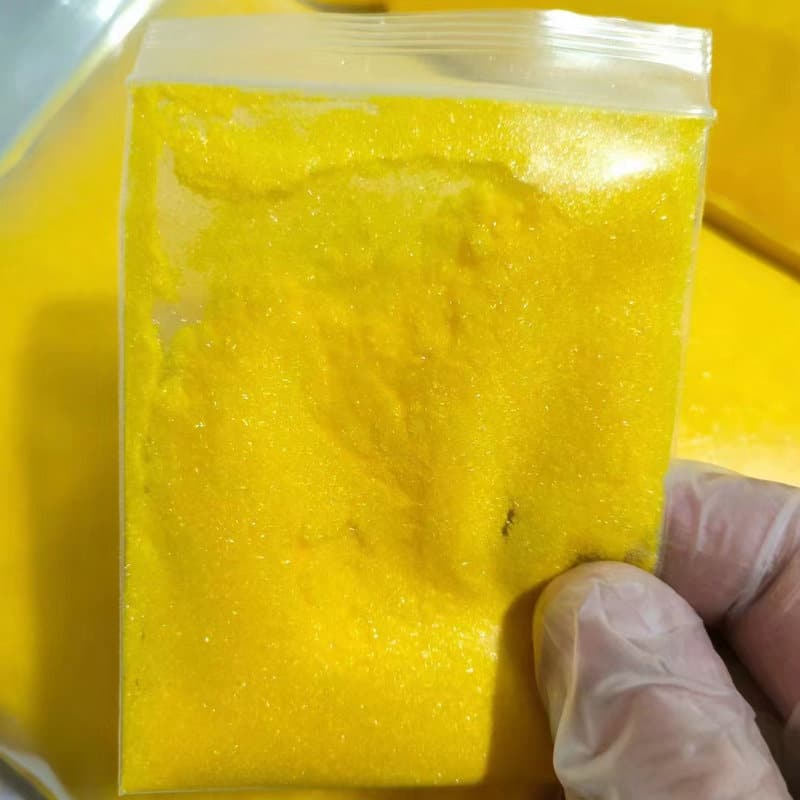
Retinal, also known as retinaldehyde, is another vitamin A derivative. Its all-trans form has CAS number 116-31-4.
Retinal is an intermediate compound in the conversion of retinol into retinoic acid.
Unlike retinol, which contains an alcohol functional group, retinal contains an aldehyde functional group. This chemical difference explains its position in the retinoid metabolic pathway.
What Does Retinal Do for the Skin?
Retinal is used in cosmetic formulations targeting:
Visible fine lines and wrinkles.
Uneven or rough skin texture.
Dull-looking skin.
Uneven pigmentation.
Visible signs of photoaging.
Retinal can provide retinoid-related effects following conversion into retinoic acid. Its clinical performance depends on the dose delivered to the skin, the vehicle, and the stability of the ingredient.
Although retinal is sometimes marketed as significantly faster or stronger than retinol, such claims should not be treated as universal guarantees.
3. How Do Retinol and Retinal Work Differently?
The most scientifically important difference between retinol and retinal is their conversion pathway.
Retinol Conversion Pathway
Retinol → Retinal → Retinoic Acid
Retinol is first oxidized into retinal. Retinal can then be oxidized into retinoic acid, which is a key biologically active retinoid involved in regulating gene expression through nuclear retinoic acid receptors.
Retinal Conversion Pathway
Retinal → Retinoic Acid
Retinal bypasses the first conversion step because it is already the intermediate between retinol and retinoic acid.
This shorter metabolic pathway provides a scientific reason for retinal's potentially greater biological activity. However, conversion rates in living skin are regulated and do not translate directly into a fixed difference in clinical performance.
Important: The claim that retinal is exactly 10 or 11 times stronger than retinol should not be presented as an established universal clinical fact. Such numerical comparisons are highly dependent on the experimental conditions and do not describe every finished skincare product.
4. Is Retinal Stronger Than Retinol?
Retinal is generally considered more biologically active in the retinoid conversion pathway, but this does not mean every retinal product is clinically stronger than every retinol product.
Scientific reviews place retinal closer to retinoic acid than retinol in terms of metabolic activation. However, the irritation profiles of retinol and retinal may be comparable under some conditions.
Several factors determine the actual performance of a skincare product:
Concentration: The amount of retinol or retinal present in the finished formula.
Delivery system: How effectively the formulation delivers the ingredient to the skin.
Stability: How well the active ingredient is protected from degradation.
Supporting ingredients: Moisturizers and other ingredients that influence skin tolerance.
Frequency of use: Whether the product can be used consistently without excessive irritation.
Individual skin response: Skin condition, sensitivity, and previous retinoid exposure.
A well-formulated retinol product may provide better practical results than an unstable or poorly tolerated retinal product.
5. Retinol vs Retinal for Wrinkles and Anti-Aging
Both ingredients are used to address visible signs of skin aging, including fine lines, uneven texture, and pigmentation associated with photoaging.
Retinol for Wrinkles
Retinol has been extensively investigated as an over-the-counter cosmetic retinoid. Research has shown that certain retinol formulations can influence epidermal thickness, collagen-related gene expression, and the appearance of facial wrinkles.
Nevertheless, the scientific evidence is not equally strong for all commercial products. A systematic review identified inconsistent findings across controlled trials of retinol-containing cosmetics.
Retinal for Wrinkles
Retinal is also studied as an anti-aging ingredient. Its chemical proximity to retinoic acid makes it an interesting option for cosmetic development.
However, direct clinical trials comparing retinal and retinol under equivalent conditions are more limited than the general literature on topical retinoids.
Which is better for wrinkles? Both may help, but there is insufficient evidence to conclude that retinal consistently produces better wrinkle reduction than every retinol formulation.
6. Retinol vs Retinal for Acne-Prone Skin
Retinoids can influence epidermal differentiation and processes related to clogged pores, which is why certain retinoid medications play an established role in acne treatment.
However, cosmetic retinol and retinal products should not automatically be considered equivalent to prescription acne treatments.
For mild concerns about uneven skin texture or blemish-prone skin, a suitable cosmetic retinoid may be helpful as part of a skincare routine.
For persistent inflammatory acne, nodules, scarring, or moderate-to-severe acne, consult a dermatologist about treatments with stronger clinical evidence, such as appropriately prescribed or locally approved topical retinoid medications.
7. Which Is More Irritating: Retinol or Retinal?
Both retinol and retinal can cause retinoid-associated irritation, particularly when first introduced into a skincare routine.
Possible reactions include:
Dryness or tightness.
Redness.
Peeling or flaking.
Burning or stinging sensations.
Temporary worsening of skin discomfort.
Although retinol is often described as gentler and retinal as more potent, the evidence does not support a simple rule that retinal always causes greater irritation.
Skin tolerance depends on the finished product, application frequency, and individual sensitivity.
For people with sensitive skin, beginning with a low-strength, well-formulated retinoid and introducing it gradually is generally more important than choosing an ingredient solely by its name.
8. How to Choose Between Retinol and Retinal
The most appropriate ingredient depends on your skincare experience, skin tolerance, and treatment goals.
Consider Retinol If:
You are new to vitamin A skincare.
You want access to a wide selection of cosmetic formulations.
You prefer to begin with a lower-strength retinoid product.
You are looking for gradual improvements in skin texture and visible fine lines.
Consider Retinal If:
You already tolerate retinoid skincare reasonably well.
You want to try an ingredient closer to retinoic acid in the metabolic pathway.
You have found a well-formulated retinal product that suits your skin.
You want an alternative to your current retinol formulation.
Neither ingredient guarantees superior outcomes. Consistency, tolerability, and appropriate formulation remain essential.
9. How to Use Retinol or Retinal Safely
Retinoids should be introduced carefully to reduce unwanted irritation.
Step 1: Start Slowly
For people new to cosmetic retinoids, consider beginning with application on two nonconsecutive evenings per week, provided the product instructions allow it.
Step 2: Use a Small Amount
Follow the product label. For many facial retinoid products, a pea-sized amount is sufficient for the entire face, although directions vary by formulation.
Step 3: Apply Moisturizer
A gentle moisturizer can help reduce dryness and improve comfort. Some users may benefit from applying moisturizer before their retinoid, depending on the product instructions.
Step 4: Increase Frequency Gradually
If the skin remains comfortable, increase application frequency according to the product directions and individual tolerance. Do not increase frequency while irritation persists.
Step 5: Protect Your Skin from Sun Exposure
Use broad-spectrum SPF 30 or higher sunscreen during the day, alongside appropriate sun-protective measures. Retinoid skincare should not replace sun protection.
Step 6: Avoid Unnecessary Layering
Using retinol and retinal together in the same routine is generally unnecessary and can increase cumulative irritation. Instead, choose one retinoid product unless a dermatologist provides individualized guidance.
Pregnancy warning: Avoid topical retinoids during pregnancy or when trying to become pregnant. Discuss skincare ingredients with your healthcare professional. If breastfeeding, seek individualized medical advice before using a retinoid.
10. How Long Do Retinol and Retinal Take to Work?
Visible improvement from topical retinoids typically requires consistent use over several weeks or months.
Some clinical studies of retinol formulations have assessed improvements after approximately 12 weeks. However, there is no universal timetable applicable to every retinol or retinal product.
The rate of improvement depends on:
Type and concentration of active ingredient.
Product stability and delivery.
Frequency and consistency of use.
Baseline skin condition.
Individual tolerance.
Daily sun protection.
More frequent application does not necessarily produce better results, especially if irritation leads to repeated treatment interruptions.
11. Retinol vs Retinal: Chemical Structure and Formulation Differences
For cosmetic chemists and skincare manufacturers, the difference between retinol and retinal extends beyond consumer-facing claims.
Chemical Identity
| Property | Retinol | Retinal |
|---|---|---|
| Common name | Retinol | Retinal / Retinaldehyde |
| CAS number | 68-26-8 | 116-31-4 |
| Molecular formula | C20H30O | C20H28O |
| Molecular weight | 286.45 g/mol | 284.44 g/mol |
| Principal functional group | Primary alcohol | Aldehyde |
| Water solubility | Poor | Poor |
Formulation Stability
Retinol and retinal are both sensitive ingredients that require appropriate handling and formulation design.
Depending on the formulation, factors such as oxygen, light, temperature, solvent systems, antioxidants, and packaging materials can influence ingredient stability.
Manufacturers may use protective packaging or encapsulation technologies to improve stability and ingredient delivery. However, encapsulation alone does not guarantee superior performance without supporting stability and efficacy data.
Raw Material Quality Control
When selecting retinol or retinal as a cosmetic raw material, formulators should consider:
Verified ingredient identity and CAS number.
Assay and purity determined using suitable analytical methods.
Impurity profiles and relevant isomer specifications.
Batch-specific Certificate of Analysis (COA).
Safety Data Sheet (SDS) and Technical Data Sheet (TDS).
Recommended storage and transportation conditions.
Compatibility with the intended cosmetic formulation.
Stability data for the finished product.
The purity of a raw ingredient is important, but it is not by itself proof of superior skincare efficacy or finished-product stability.
12. Frequently Asked Questions About Retinol and Retinal
What is the main difference between retinol and retinal?
The main difference is their chemical structure and conversion pathway. Retinol contains an alcohol group and requires conversion into retinal before becoming retinoic acid. Retinal contains an aldehyde group and requires only one conversion step to become retinoic acid.
Is retinal better than retinol?
Not necessarily. Retinal is closer to retinoic acid in the metabolic pathway, but the effectiveness of a skincare product depends on its complete formulation, concentration, stability, and tolerance.
Is retinal stronger than retinol?
Retinal generally has greater potential biological activity based on its position in the retinoid conversion pathway. However, there is no reliable universal numerical strength ratio applicable to all cosmetic products.
Which is better for beginners, retinol or retinal?
A low-strength, well-formulated retinol product is often a practical starting point because of its widespread availability. Nevertheless, beginners may also tolerate appropriately formulated retinal products. Starting gradually is essential for either ingredient.
Is retinal the same as retinaldehyde?
Yes. Retinal and retinaldehyde refer to the same chemical class of compound. In cosmetic ingredient terminology, these names are commonly used interchangeably.
Can I use retinol and retinal together?
Using both in the same skincare routine is usually unnecessary because they belong to the same retinoid family. Combining them may increase irritation without providing a proven additional benefit.
Can retinol or retinal help with acne?
Retinoid-related mechanisms are relevant to acne care, but cosmetic retinol and retinal products should not be considered direct substitutes for approved acne medications. Persistent or inflammatory acne should be evaluated by a dermatologist.
What percentage of retinal is equal to 1% retinol?
There is no scientifically established concentration conversion that applies across all formulations. Comparing two products requires consideration of clinical performance, ingredient delivery, stability, and irritation potential.
Which works faster, retinol or retinal?
Retinal requires fewer metabolic conversion steps, suggesting the potential for faster retinoid activity. However, clinical results cannot be predicted from conversion steps alone, and comparative evidence is not sufficient to guarantee faster visible results with every retinal product.
Are retinol and retinal safe during pregnancy?
Topical retinoids are generally recommended to be avoided during pregnancy. People who are pregnant or planning pregnancy should consult a healthcare professional for suitable skincare alternatives.
13. Final Verdict: Retinol or Retinal?
The most important difference in retinol and retinal is that retinol requires two metabolic steps to become retinoic acid, while retinal requires only one.
Retinol remains a widely studied and commonly used cosmetic vitamin A ingredient. Retinal is a promising alternative because of its closer position to the biologically active retinoic acid pathway.
For consumers, choosing a stable, appropriately formulated product that can be used consistently without excessive irritation is more important than selecting an ingredient based only on claims of strength.
For cosmetic manufacturers, ingredient identity, raw material purity, documented analytical testing, formulation compatibility, and finished-product stability are essential considerations.
Bottom line: Both retinol and retinal can be valuable cosmetic ingredients. The best choice depends on the intended application, individual skin requirements, and supporting scientific evidence.
Scientific References
Sorg O, et al. Use of Retinoids in Topical Antiaging Treatments: A Focused Review of Clinical Evidence for Conventional and Nanoformulations. Read the review.
Kong R, et al. A Comparative Study of the Effects of Retinol and Retinoic Acid on Histological, Molecular, and Clinical Properties of Human Skin. Journal of Cosmetic Dermatology. 2016. PubMed.
Spierings NM. Evidence for the Efficacy of Over-the-counter Vitamin A Cosmetic Products in the Improvement of Facial Skin Aging: A Systematic Review. PubMed.
American Academy of Dermatology Association. Retinoid or Retinol? Dermatology guidance.
American Academy of Dermatology Association. Dermatologist-approved Pregnancy Skin Care. Pregnancy safety guidance.
Educational information only. This article is not a substitute for individualized medical advice. Product performance depends on formulation and use.