Retinoid vs Retinal: Differences, Benefits, Strength and How to Choose
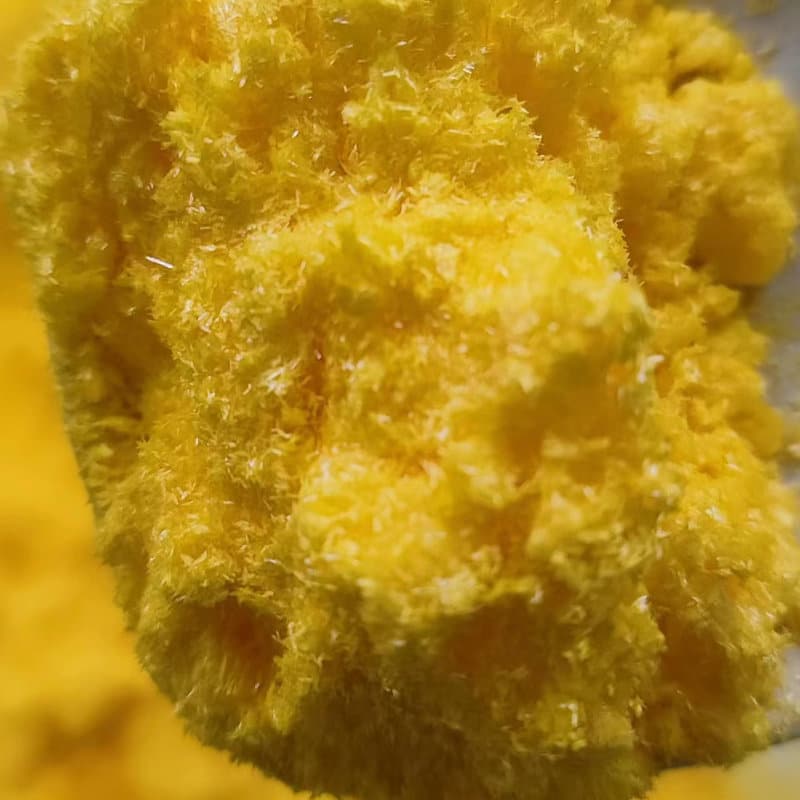
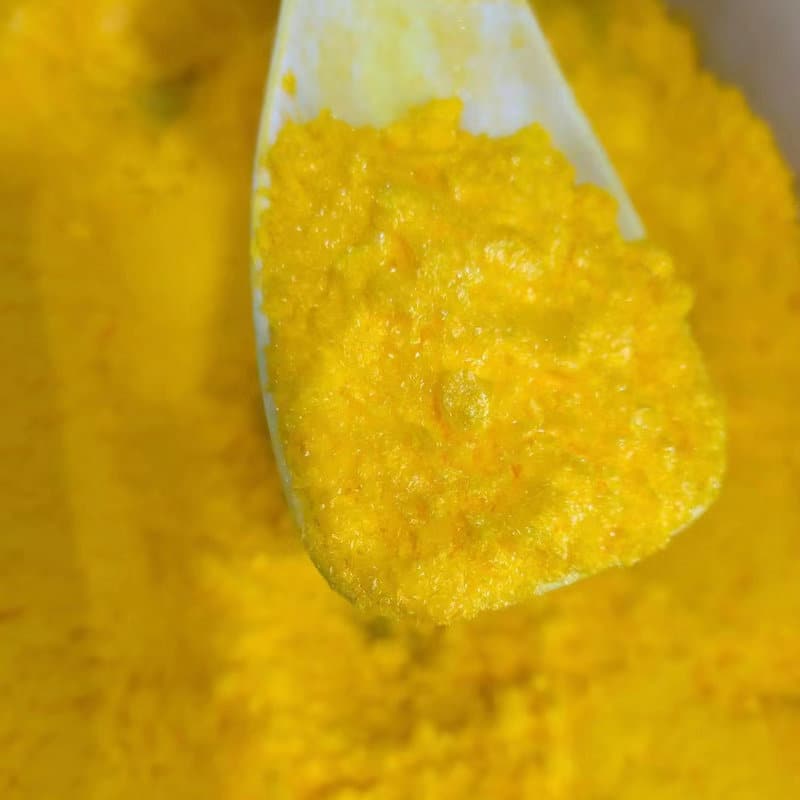
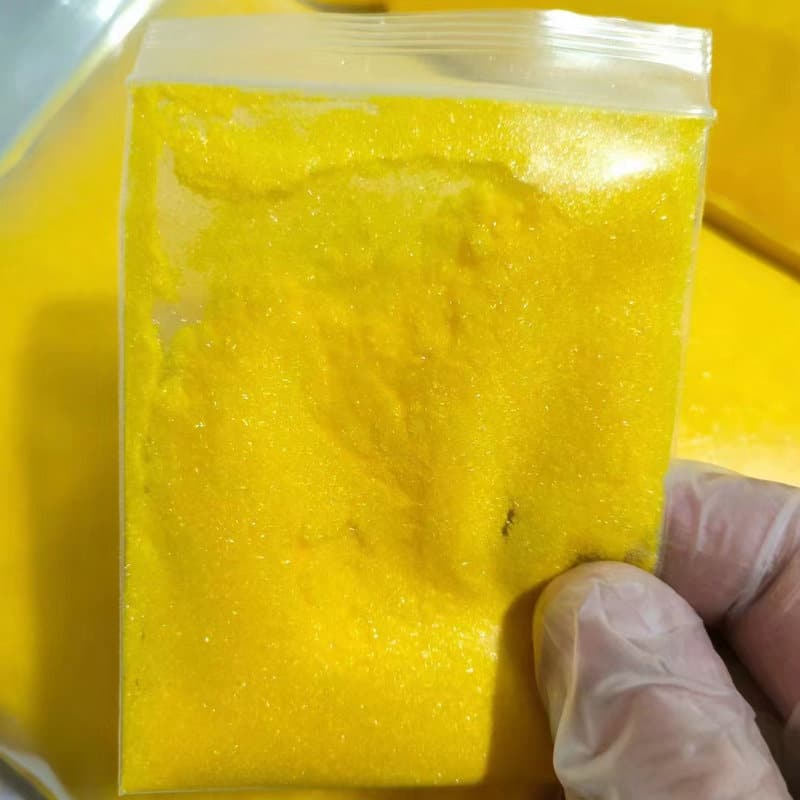
Is retinal a retinoid? Yes. Retinal, also called retinaldehyde, is a member of the retinoid family. Retinoid is the broad term for vitamin A-related compounds, while retinal is one specific ingredient within that family. Retinal is commonly used in skincare products to improve the appearance of fine lines, uneven skin tone and rough skin texture.
The important distinction is that retinoid is not a single chemical ingredient. It describes a group of compounds that includes retinol, retinal, tretinoin, adapalene and several other vitamin A derivatives.
Retinal is particularly interesting because it is only one metabolic conversion step away from retinoic acid, an active form of vitamin A involved in regulating skin cell behavior. However, this does not automatically make every retinal product stronger or better than every other retinoid product.
This guide explains the relationship between retinoids and retinal, their differences, potential benefits, scientific evidence, safety considerations and how to select an appropriate ingredient for your skincare needs.
1. What Is a Retinoid?
A retinoid is a vitamin A-related compound belonging to a broad chemical family used in dermatology and cosmetic skincare. Different retinoids have different chemical structures, biological activities, clinical applications and regulatory classifications.
Some retinoids are commonly incorporated into cosmetic formulations, while others are used as topical prescription medicines or treatments for specific skin conditions.
Common Types of Retinoids
Retinol: A widely used vitamin A ingredient in anti-aging skincare products.
Retinal (Retinaldehyde): A vitamin A aldehyde that can be converted into retinoic acid in skin.
Retinyl Palmitate: A retinyl ester used in cosmetic formulations.
Retinyl Propionate: Another retinyl ester used in vitamin A-based cosmetic products.
Tretinoin: All-trans-retinoic acid, a topical medicine used for conditions including acne and photoaged skin.
Adapalene: A synthetic retinoid primarily used in acne treatment.
Tazarotene: A synthetic retinoid used for certain dermatological conditions.
Because these compounds have different mechanisms and levels of clinical evidence, the term "retinoid" alone does not identify the potency, effectiveness or irritation potential of a skincare product.
2. What Is Retinal (Retinaldehyde)?
Retinal is an aldehyde form of vitamin A, also known as retinaldehyde. In cosmetic ingredient labeling, it is commonly identified by the INCI name Retinal.
Retinal is an intermediate in the metabolic pathway connecting retinol and retinoic acid. It can be converted into retinoic acid by specific enzymes in the skin, although some retinal is also converted into retinol and retinyl esters.
Basic Chemical Information About Retinal
| Property | Information |
|---|---|
| Ingredient name | Retinal |
| Alternative name | Retinaldehyde |
| CAS number | 116-31-4 (all-trans-retinal) |
| Molecular formula | C20H28O |
| Molecular weight | 284.44 g/mol |
| Chemical family | Retinoid |
| Functional group | Aldehyde (-CHO) |
| Cosmetic INCI name | Retinal |
| Primary relevance | Vitamin A metabolism and skincare formulations |
Retinal is lipophilic and sensitive to environmental factors such as light and oxygen. Appropriate formulation, packaging and storage conditions are important for maintaining ingredient stability.
3. Retinoid vs Retinal: What Is the Difference?
The main difference is that retinoid describes an entire family of vitamin A-related compounds, while retinal is a specific compound belonging to that family.
Therefore, retinoid and retinal are not competing ingredient categories. Comparing them directly is similar to comparing a broad chemical classification with one individual ingredient.
| Feature | Retinoid | Retinal |
|---|---|---|
| Definition | Broad family of vitamin A-related compounds | Specific vitamin A aldehyde |
| Chemical identity | Includes many different molecules | Retinaldehyde |
| CAS number | Varies by compound | 116-31-4 for all-trans-retinal |
| Conversion requirements | Depend on the particular retinoid | One oxidation step to retinoic acid |
| Potential skin benefits | Depend on ingredient and formulation | May improve visible signs of photoaging |
| Irritation potential | Varies substantially | Can cause dryness, irritation or peeling |
| Common applications | Cosmetics and dermatological medicines | Cosmetic skincare formulations |
Key takeaway: All retinal used in this skincare context is a retinoid, but not all retinoids are retinal.
4. How Does Retinal Work in the Skin?
To understand retinal's role, it is helpful to examine the metabolic conversion pathway of several vitamin A derivatives.
The Vitamin A Conversion Pathway
Retinyl Esters → Retinol → Retinal → Retinoic Acid
This pathway summarizes important metabolic relationships. In living skin, vitamin A metabolism is more complex, with reversible reactions, storage mechanisms and enzyme-dependent regulation.
Step 1: Retinyl Esters to Retinol
Retinyl esters, including retinyl palmitate, can undergo hydrolysis to form retinol. This is one reason retinyl esters are often described as precursor forms of vitamin A.
Step 2: Retinol to Retinal
Retinol can be oxidized into retinal by enzymes involved in vitamin A metabolism. This reaction links the alcohol and aldehyde forms of vitamin A.
Step 3: Retinal to Retinoic Acid
Retinal can undergo further oxidation to form retinoic acid. Retinoic acid interacts with nuclear retinoic acid receptors to influence gene expression and cellular processes.
Because retinal is one conversion step away from retinoic acid, it has a shorter metabolic pathway than retinol. Nevertheless, conversion rates depend on tissue conditions and enzyme activity. The number of conversion steps does not establish an exact percentage difference in clinical effectiveness.
5. Retinal vs Retinol vs Tretinoin
Retinal, retinol and tretinoin belong to the retinoid family, but they differ in their chemical structures, metabolic requirements and clinical use.
| Ingredient | Conversion to Retinoic Acid | Typical Use |
|---|---|---|
| Retinol | Two oxidation steps | Cosmetic skincare |
| Retinal | One oxidation step | Cosmetic skincare |
| Tretinoin | Already retinoic acid | Topical dermatological medicine |
Is Retinal Stronger Than Retinol?
Retinal is generally considered a more direct precursor to retinoic acid than retinol. This provides a biochemical reason for its interest in cosmetic formulations.
However, a shorter conversion pathway does not guarantee faster visible results in every formulation. Concentration, chemical stability, skin penetration, the delivery system and individual skin tolerance all influence outcomes.
Evidence supports biological activity and potential anti-aging benefits for both ingredients, but direct comparative clinical evidence is not sufficient to establish a universal potency ratio between retinal and retinol products.
Is Retinal Stronger Than Tretinoin?
Retinal and tretinoin are different compounds. Tretinoin is already retinoic acid and has substantial clinical evidence supporting its use in acne and photoaging treatment.
Retinal must be metabolized within the skin to generate retinoic acid. Clinical studies have demonstrated that topical retinaldehyde can improve some visible signs of photoaging while showing favorable tolerability in certain tested formulations.
This does not mean retinal provides identical results to prescription tretinoin or can automatically replace medically prescribed treatment.
6. What Are the Benefits of Retinal for Skin?
Retinal has attracted attention in skincare because of its relationship to retinoic acid metabolism and its potential effects on visible skin aging.
6.1 Improving the Appearance of Fine Lines
Clinical research has investigated retinaldehyde for its effects on photoaged skin. In a study evaluating topical retinaldehyde and retinoic acid, both active treatments produced improvements in measured skin roughness and wrinkle features compared with baseline assessments.
These findings suggest that retinaldehyde-containing products may help improve certain visible signs of skin aging with continued use.
6.2 Supporting Smoother Skin Texture
Retinoid signaling influences epidermal differentiation and skin renewal. Appropriate retinal formulations may help improve uneven or rough-looking skin texture over time.
Outcomes depend on the product, application frequency, individual skin condition and duration of treatment.
6.3 Addressing Uneven-Looking Skin Tone
Retinoids are used in skincare routines intended to improve the appearance of photoaging and uneven pigmentation.
Retinal may be included in products targeting these concerns, although clinical evidence varies between individual retinoids and formulations.
Daily sun protection remains essential when addressing pigmentation and sun-related skin changes.
6.4 Potential Relevance to Acne-Prone Skin
Retinoid medicines such as adapalene and tretinoin have established roles in acne management.
Retinal has also been studied in skincare, but its clinical evidence for treating acne is less extensive than that of established topical acne medications.
People with persistent, inflammatory or scarring acne should seek professional advice rather than assuming a cosmetic retinal serum will provide the same results as an approved acne treatment.
7. Does Retinal Cause Skin Irritation?
Yes. Like other topical retinoids, retinal may cause temporary skin irritation, particularly when first introduced or when used too frequently.
Possible reactions include:
Skin dryness or tightness
Redness or burning sensations
Flaking or peeling
Temporary sensitivity
Worsening irritation when combined with other irritating skincare products
Published clinical research has reported favorable tolerability for some retinaldehyde formulations compared with retinoic acid. However, these findings should not be interpreted as proof that all retinal products are non-irritating or suitable for everyone.
Skin tolerance is influenced by concentration, formulation, frequency of application, skin-barrier condition and other products used in the same routine.
8. How to Use Retinal in a Skincare Routine
Introducing retinal gradually may help reduce the likelihood of irritation. The following approach is consistent with general dermatological guidance for introducing topical retinoid skincare.
Step 1: Cleanse Gently
Wash your face using a gentle cleanser and avoid harsh scrubbing. Allow the skin to dry before applying products that may cause irritation.
Step 2: Start With a Low-Strength Product
Choose a retinal formulation appropriate for your skin's experience with retinoids. Product concentration alone is not a complete indicator of strength or tolerability.
Step 3: Introduce It Slowly
Begin with applications on two or three nonconsecutive evenings per week, if permitted by the product instructions. Increase frequency only as your skin tolerates the product.
Step 4: Apply Moisturizer
A suitable moisturizer can help support skin comfort. People with sensitive skin may benefit from applying moisturizer before or after their retinoid product.
Step 5: Protect Skin From the Sun
Use broad-spectrum sunscreen with SPF 30 or higher during the day, along with other sun-protective measures.
Follow product-specific instructions and discontinue use if significant irritation develops. Consult a dermatologist if the reaction persists.
Can Retinal Be Used With Other Retinoids?
Layering retinal with retinol, tretinoin, adapalene or another retinoid in the same routine is generally unnecessary unless specifically recommended by a qualified clinician.
Combining retinoids can increase irritation without providing a clearly established additional benefit.
Is Retinal Safe During Pregnancy?
Retinoids, including cosmetic vitamin A derivatives, should be avoided during pregnancy. People who are pregnant or planning pregnancy should consult a healthcare professional about appropriate skincare alternatives.
9. Retinal in Cosmetic Formulation: What Matters?
For cosmetic manufacturers, retinal ingredient quality is only one part of developing a stable and effective finished product.
Retinal is sensitive to environmental conditions, making formulation development and appropriate ingredient handling particularly important.
9.1 Ingredient Identity and Purity
Raw-material specifications should clearly identify the ingredient, relevant chemical form and analytical testing procedures.
Documentation may include a Certificate of Analysis (COA), specification sheet and Safety Data Sheet (SDS).
9.2 Stability
Exposure to light, oxygen and elevated temperatures can contribute to degradation or isomerization of retinoid ingredients.
Formulation and packaging decisions should therefore be supported by appropriate stability testing rather than assuming that raw-material purity guarantees stability in the finished product.
9.3 Delivery Systems
Different cosmetic delivery approaches, including encapsulation and emulsion systems, are investigated to improve the stability and delivery characteristics of sensitive ingredients.
Actual performance must be verified for the specific formulation. Encapsulation alone does not guarantee increased efficacy or reduced irritation.
9.4 Quality Control
Analytical methods such as high-performance liquid chromatography (HPLC) can be used for ingredient identification, assay and purity-related quality testing when appropriately validated.
Manufacturers should also evaluate finished-product stability, packaging compatibility and compliance with applicable cosmetic regulations in intended markets.
10. How to Choose Between Retinal and Other Retinoids
The most suitable retinoid depends on skin concerns, sensitivity, previous experience, regulatory availability and whether a cosmetic or medical treatment is needed.
| Skin Concern or Goal | Consideration |
|---|---|
| New to retinoid skincare | Start with a well-tolerated, low-strength cosmetic formulation. |
| Interested in retinal | Choose a stable formulation and introduce it gradually. |
| Visible photoaging | Retinol and retinal are cosmetic options; prescription tretinoin has substantial clinical evidence. |
| Persistent acne | Consider a dermatologist's advice about established acne medications. |
| Sensitive or compromised skin | Prioritize barrier care and seek professional advice before starting irritating actives. |
| Pregnancy | Avoid retinoids and discuss alternatives with a healthcare professional. |
The best skincare ingredient is not necessarily the one with the shortest metabolic conversion pathway. Consistent use, appropriate formulation and individual tolerability can be more important than marketing claims about ingredient strength.
11. Frequently Asked Questions About Retinoid and Retinal
Is retinal a retinoid?
Yes. Retinal, also known as retinaldehyde, is a vitamin A-derived compound belonging to the retinoid family.
Are retinal and retinoid the same thing?
No. Retinoid is a broad chemical category, while retinal is one specific member of that category.
Is retinal the same as retinol?
No. Retinol contains an alcohol functional group, while retinal contains an aldehyde functional group. Retinol can be converted into retinal during vitamin A metabolism.
Is retinal more effective than retinol?
Retinal is one metabolic conversion step closer to retinoic acid, but this does not prove that every retinal formulation is more effective than every retinol formulation. Clinical results depend on multiple factors.
Is retinal a prescription retinoid?
Retinal is commonly used in cosmetic products. Prescription status depends on the individual ingredient, product classification and jurisdiction. Retinal should not be confused with prescription tretinoin.
Can I use retinal every night?
Some individuals can eventually tolerate nightly application, but beginners should generally introduce retinoid skincare gradually and follow the manufacturer's instructions.
Can retinal help with wrinkles?
Clinical studies suggest topical retinaldehyde may improve certain measurements of skin roughness and wrinkles associated with photoaging. Results vary by formulation and individual.
Does retinal turn into retinoic acid?
Yes. Retinal can be oxidized into retinoic acid within the skin. However, some retinal is metabolized into other vitamin A forms, including retinol and retinyl esters.
Is retinal suitable for sensitive skin?
Some retinal formulations have shown favorable tolerability in clinical research, but sensitive skin can still react. A gradual introduction and suitable moisturizer may help.
Can retinal and vitamin C be used together?
They can be part of the same overall skincare routine if tolerated. Some people prefer vitamin C in the morning and retinal in the evening to simplify application and reduce irritation. Compatibility and stability depend on the formulations.
12. Scientific References
The following scientific and dermatological resources support the ingredient classification, metabolism, safety information and discussion of retinal in skincare.
Sorg O, Didierjean L, Saurat JH. Metabolism of topical retinaldehyde. Dermatology. 1999. PubMed Research
Retinoids in the Treatment of Skin Aging: An Overview of Clinical Efficacy and Safety. Scientific Review
Use of Retinoids in Topical Antiaging Treatments: A Focused Review of Clinical Evidence for Conventional and Nanoformulations. Clinical Evidence Review
Profilometric Evaluation of Photodamage After Topical Retinaldehyde and Retinoic Acid Treatment. Clinical Study
American Academy of Dermatology. Retinoid or Retinol? Dermatology Guidance
American Academy of Dermatology. Dermatologist-Approved Pregnancy Skin Care. Pregnancy Safety Guidance
Conclusion: Is Retinal a Retinoid, and Which Should You Choose?
Retinal is a retinoid, but retinoid is not another name for retinal. Retinoid refers to the broader family of vitamin A-related compounds, whereas retinal is a specific vitamin A aldehyde used in cosmetic skincare formulations.
Retinal is one metabolic step away from retinoic acid and has demonstrated activity in studies of photoaged skin. Its benefits and tolerability, however, depend on the formulation and the individual using it.
For consumers, selecting an appropriate product and maintaining consistent, well-tolerated use are more useful than focusing on conversion steps alone.
For cosmetic formulators, retinal presents opportunities in vitamin A skincare development, but raw-material quality, chemical stability, delivery systems and finished-product testing remain essential considerations.