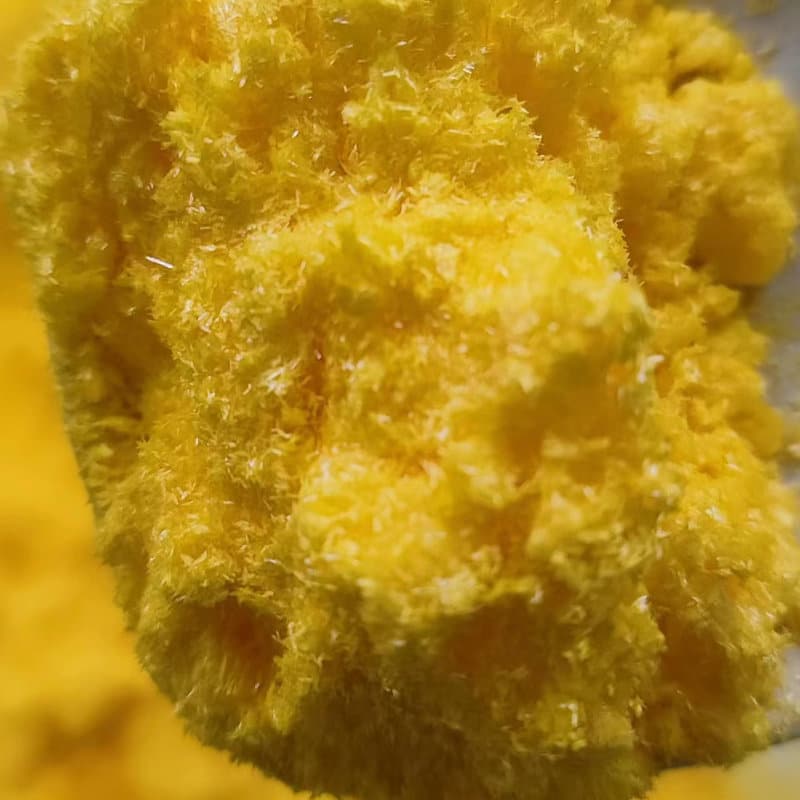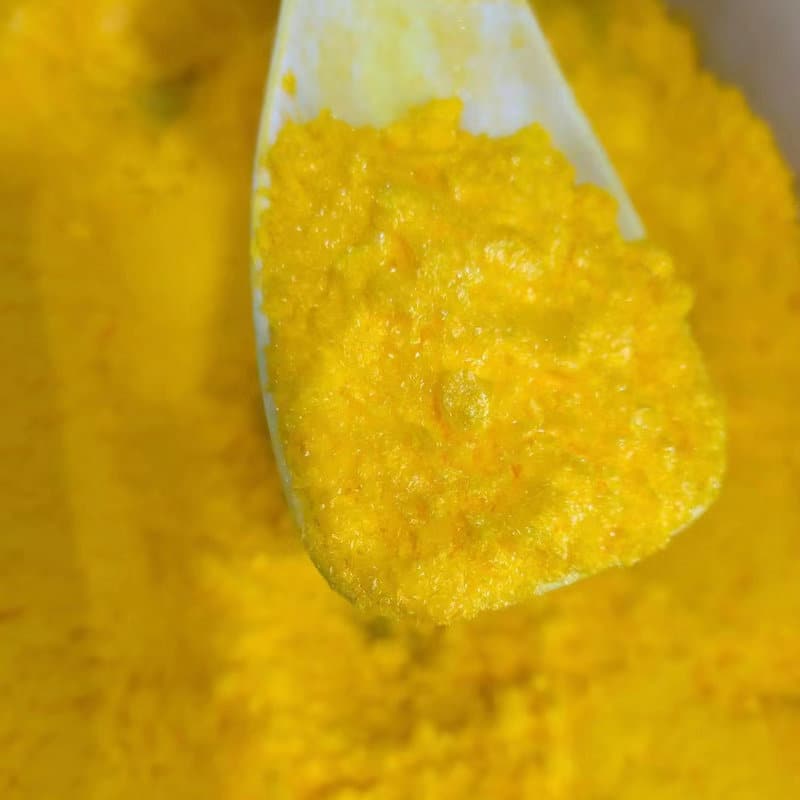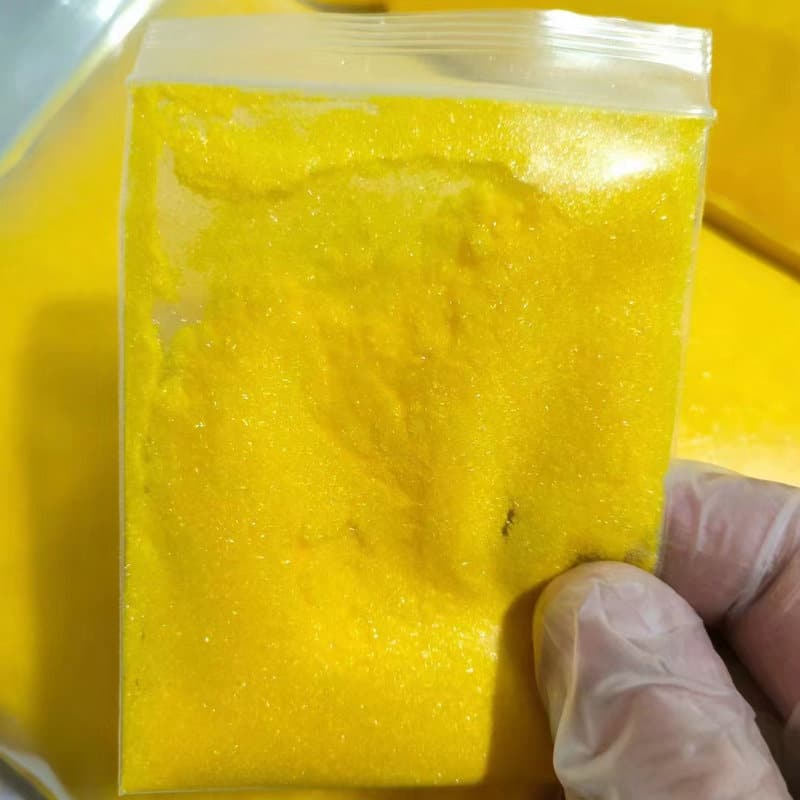
Retinal Not Retinol: Why Choose Retinal for Your Skin?
Why choose retinal not retinol? Retinal (retinaldehyde) is one metabolic conversion step closer to retinoic acid, the biologically active form of vitamin A in the skin. This makes retinal an interesting alternative for people seeking improvements in fine lines, uneven texture, and signs of photoaging. However, being closer to retinoic acid does not automatically mean that every retinal product works faster or better than every retinol product.
Both ingredients belong to the retinoid family and have a role in anti-aging skincare. Their effectiveness depends on factors including formulation, concentration, stability, skin tolerance, and consistent use.
If you are considering switching from retinol to retinal, this guide explains the science, clinical evidence, benefits, potential disadvantages, and how to choose the right ingredient for your skin.
What Does "Retinal Not Retinol" Mean?
The phrase "retinal not retinol" usually refers to choosing skincare products containing retinaldehyde instead of retinol.
Although their names differ by only one letter, these are two distinct chemical compounds.
Retinal: Also known as retinaldehyde, a vitamin A derivative containing an aldehyde functional group.
Retinol: A vitamin A derivative containing an alcohol functional group.
Both can participate in the skin's retinoid metabolic pathway, but retinal is immediately upstream of retinoic acid.
Some consumers prefer retinal because of its position in this pathway. Others continue using retinol because it is familiar, widely available, and effective in appropriately formulated products.
Retinal vs Retinol: What Is the Main Difference?
The most important biochemical difference is how the two compounds are metabolized toward retinoic acid.
Retinol → Retinal → Retinoic Acid
Retinol must first undergo oxidation to form retinal. Retinal can then undergo another oxidation step to form retinoic acid.
Retinoic acid interacts with nuclear retinoid receptors that regulate processes relevant to epidermal differentiation and skin renewal.
However, the metabolic pathway is regulated by enzymes and cellular conditions. Counting conversion steps alone cannot predict exactly how quickly a finished skincare product will produce visible improvements.
Retinal vs Retinol Comparison Table
| Feature | Retinal | Retinol |
|---|---|---|
| Alternative name | Retinaldehyde | Vitamin A alcohol |
| CAS number | 116-31-4 | 68-26-8 |
| Molecular formula | C20H28O | C20H30O |
| Molecular weight | 284.44 g/mol | 286.46 g/mol |
| Conversion to retinoic acid | One direct oxidation step | Two sequential oxidation steps |
| Anti-aging evidence | Supported by clinical studies | Supported by clinical studies |
| Potential irritation | Possible | Possible |
| Product stability | Requires careful formulation | Requires careful formulation |
| Best choice | Depends on individual goals and tolerance | Depends on individual goals and tolerance |
Important: A higher numerical percentage of retinol cannot be directly compared with a lower percentage of retinal to establish clinical equivalence. The complete formulation matters.
Why Do Some People Prefer Retinal Instead of Retinol?
1. Retinal Is Closer to Active Retinoic Acid
Retinal is a direct metabolic precursor of retinoic acid. This is its clearest scientific distinction from retinol.
Because retinal requires fewer conversion steps, it may offer formulation and performance advantages under certain conditions.
Nevertheless, fewer steps do not guarantee faster visible results. Skin enzyme activity, compound delivery, formulation stability, and tolerability all influence the outcome.
2. Retinal Has Clinical Evidence for Photoaged Skin
Retinaldehyde has been investigated in clinical studies involving photoaging, roughness, and wrinkles.
A randomized, double-blind clinical trial published in the Journal of Cosmetic Dermatology in 2018 evaluated 0.05% and 0.1% retinaldehyde creams over three months.
Both formulations improved assessed aspects of photoaged skin, including skin texture and hydration. The investigators did not find statistically significant differences between the two groups for several measured outcomes.
This provides clinical support for retinaldehyde as an anti-aging ingredient, although it does not establish superiority over retinol.
Research: Efficacy and safety of retinaldehyde 0.1% and 0.05% creams.
3. Retinal May Be an Alternative for Experienced Retinol Users
Someone already using retinol successfully may wish to explore retinal as another option in their skincare routine.
Potential reasons include interest in the retinaldehyde pathway, a different product texture, or a formulation designed for specific skincare goals.
However, switching is not necessary if an existing retinol routine is delivering satisfactory results without irritation.
Is Retinal Stronger Than Retinol?
Retinal is chemically closer to retinoic acid, but it is not scientifically accurate to state that every retinal product is stronger than every retinol product.
The word "stronger" can refer to different characteristics:
The position of the molecule in the retinoid metabolic pathway.
Its biological activity under laboratory conditions.
The concentration delivered into the skin.
The degree of improvement observed in a clinical trial.
The likelihood of irritation or dryness.
These are not interchangeable measurements.
For example, comparing a 0.05% retinal serum with a 0.3% retinol serum based only on the ingredient percentages would be misleading.
There is also insufficient direct comparative clinical evidence to assign a universal numerical potency multiplier to retinal versus retinol in finished cosmetic formulations.
For consumers, the most useful measure is whether a product delivers meaningful results while remaining tolerable during regular use.
Is Retinal Better Than Retinol for Wrinkles?
Retinal may be a useful ingredient for addressing visible photoaging, but the claim that it is always better than retinol for wrinkles is not established by direct comparative evidence.
A clinical study published in the Journal of the American Academy of Dermatology in 1998 compared 0.05% retinaldehyde cream with 0.05% retinoic acid cream and a vehicle formulation in people with photodamaged facial skin.
The study reported improvements in wrinkle and roughness measurements in the active treatment groups, while retinaldehyde was generally better tolerated than retinoic acid.
However, this study compared retinaldehyde with retinoic acid, not with retinol. It should therefore not be used as proof that retinal outperforms retinol.
Study: Profilometric evaluation of photodamage after topical retinaldehyde and retinoic acid treatment.
How Long Does Retinal Take to Work?
Improvement is gradual rather than immediate.
Clinical retinaldehyde trials have evaluated outcomes after approximately three months or longer. Visible changes depend on the skincare product, frequency of application, baseline skin condition, and individual response.
Some people notice improvements in texture before more substantial changes in fine lines. A fixed timeline cannot be guaranteed for every user.
Is Retinal Better Than Retinol for Acne?
Retinoids play an important role in acne management because certain members of this ingredient family help regulate follicular keratinization and comedone formation.
However, the clinical evidence supporting prescription acne retinoids such as adapalene and tretinoin is more established than the evidence for cosmetic retinaldehyde products.
Retinaldehyde has been investigated in skincare and has properties that may be relevant to acne-prone skin, but it should not automatically be presented as superior to retinol or as an equivalent replacement for approved acne medications.
For mild cosmetic concerns involving rough texture and uneven appearance, either ingredient may be considered according to skin tolerance and product formulation.
For persistent inflammatory acne, scarring, or significant breakouts, professional dermatological assessment is preferable to relying solely on cosmetic retinoids.
Is Retinal More Irritating Than Retinol?
Not necessarily. Although retinal is closer to retinoic acid in the metabolic pathway, this does not mean it must cause more irritation than retinol.
A 1999 study examining the tolerance profiles of retinol, retinaldehyde, and retinoic acid found similarly low irritation potential for retinol and retinaldehyde under the study's maximized testing conditions.
Retinoic acid showed greater irritation potential than these two precursors.
However, the study also reported differences in individual irritation-related measurements. The findings should not be interpreted as a guarantee that either ingredient will be irritation-free.
Study: Tolerance profile of retinol, retinaldehyde and retinoic acid.
Possible Side Effects of Retinal
Temporary dryness or tightness.
Redness and irritation.
Flaking or peeling.
Stinging or burning sensations.
Increased sensitivity when combined with irritating skincare products.
The risk is influenced by concentration, application frequency, the condition of the skin barrier, and formulation characteristics.
Both retinal and retinol should be introduced gradually, especially for users without previous retinoid experience.
Who Should Choose Retinal Instead of Retinol?
The right ingredient depends on your skincare history and primary concerns.
Consider Retinal If:
You are interested in the retinoid that directly precedes retinoic acid.
You want a cosmetic ingredient with published research relating to photoaged skin.
You have previously tolerated retinoid skincare and want to explore an alternative formulation.
You prefer a particular retinal-containing product after considering its complete ingredient list.
Consider Retinol If:
Your current retinol product already works well for your skin.
You want access to a wider range of product formulations.
You prefer to continue with an established routine instead of changing active ingredients.
You have identified a retinol formulation that your skin tolerates particularly well.
Neither ingredient is automatically the best choice for every person with sensitive skin.
How to Switch From Retinol to Retinal Safely
If you decide to replace retinol with retinal, introduce the new product cautiously rather than assuming that previous retinol tolerance guarantees the same response.
Choose one retinoid: Replace your retinol product rather than immediately layering an additional retinal product over it.
Patch test: Test the new product according to its instructions before applying it widely.
Begin gradually: Start with a low-frequency evening routine, such as two nights per week, if appropriate for the product.
Use a small amount: Follow the manufacturer's recommended quantity. Applying more does not guarantee better results.
Add moisturizer: Use a suitable moisturizer to help maintain skin comfort.
Wear sunscreen: Apply broad-spectrum SPF 30 or higher during the day and follow other sun-protection measures.
Adjust according to tolerance: Reduce frequency or stop using the product if significant irritation develops.
Do not apply retinoid products to damaged or severely irritated skin unless directed by a healthcare professional.
Topical retinoids are generally avoided during pregnancy. If you are pregnant, planning pregnancy, or breastfeeding, consult a qualified healthcare professional before using retinoid skincare.
Can You Use Retinal and Retinol Together?
Although retinal and retinol can appear within the broader range of cosmetic formulations, using two separate retinoid products simultaneously is usually unnecessary.
Both ingredients participate in related vitamin A pathways. Combining separate products may increase irritation without a demonstrated additional clinical benefit.
For most consumers, choosing one well-formulated retinoid and using it consistently is a more practical approach.
If a professionally developed product contains multiple retinoid derivatives, its safety and performance should be assessed as a finished formulation rather than by assuming that the ingredients simply add together.
Retinal vs Retinol: What Matters in Cosmetic Formulation?
For cosmetic formulators and skincare brands, the difference between retinal and retinol extends beyond consumer-facing claims.
Both molecules contain conjugated double-bond systems and can be sensitive to environmental conditions, including light and oxygen exposure.
Consequently, raw-material handling, antioxidant systems, packaging, compatibility, and stability testing deserve careful attention.
Retinal Formulation Considerations
Compatibility with the selected formulation base.
Ingredient purity and verified chemical identity.
Appropriate processing conditions.
Protection from excessive light and oxygen exposure.
Finished-product stability under intended storage conditions.
Analytical testing of retained active content over time.
Appropriate packaging and shelf-life evaluation.
Encapsulation and other delivery technologies may be used in some retinoid formulations, but their performance must be demonstrated for the particular finished product.
Neither the use of encapsulation nor a particular ingredient concentration guarantees superior stability, penetration, tolerability, or clinical efficacy.
Retinal and Retinol Raw Material Specifications
| Specification | Retinal | Retinol |
|---|---|---|
| INCI name | Retinal | Retinol |
| Chemical name | Retinaldehyde | Vitamin A alcohol |
| CAS | 116-31-4 | 68-26-8 |
| Formula | C20H28O | C20H30O |
| Chemical functional group | Aldehyde | Primary alcohol |
| Analytical quality control | HPLC and appropriate identity testing | HPLC and appropriate identity testing |
When sourcing retinal or retinol for cosmetic manufacturing, formulators should request relevant technical documentation such as a Certificate of Analysis (COA), Safety Data Sheet (SDS), and Technical Data Sheet (TDS).
Specifications, assay methods, impurity profiles, storage conditions, and regulatory suitability should be evaluated against the requirements of the intended market and application.
Frequently Asked Questions About Retinal Not Retinol
Why is everyone choosing retinal over retinol?
Interest in retinal is partly driven by its position closer to retinoic acid in the vitamin A metabolic pathway and by clinical studies investigating its effects on photoaged skin. However, popularity alone does not prove clinical superiority over retinol.
Is retinal actually better than retinol?
Retinal may be preferable for certain skincare goals or formulations, but neither ingredient is universally better. Direct comparative evidence is limited, and finished-product performance varies.
Is retinal the same as retinol?
No. Retinal is an aldehyde, while retinol is an alcohol. Both are vitamin A derivatives, but they are distinct chemical compounds with different positions in retinoid metabolism.
Can beginners use retinal instead of retinol?
Some beginners may tolerate a carefully formulated retinal product. However, the concentration, formulation, individual sensitivity, and introduction schedule are more useful considerations than relying on the ingredient name alone.
Does retinal work faster than retinol?
Retinal requires one fewer direct conversion step to reach retinoic acid, but there is insufficient direct evidence to guarantee faster visible improvements across commercial products.
Is 0.05% retinal equivalent to 0.5% retinol?
No universally validated equivalence can be established from these percentages alone. Retinal and retinol differ chemically, and their performance depends on the complete formulation and clinical context.
Should I stop using retinol and switch to retinal?
Not necessarily. If your retinol product delivers satisfactory results and your skin tolerates it, switching is optional rather than required.
Can retinal replace prescription tretinoin?
Retinal is not automatically an equivalent substitute for prescription tretinoin. Although both relate to the retinoid pathway, the evidence, regulatory status, indications, and clinical use of prescription medicines differ from cosmetic retinal products.
Is retinal suitable for daily use?
Some retinal formulations are designed for frequent application, but tolerance varies. Daily use should depend on product instructions, previous retinoid experience, and the absence of significant irritation.
Final Verdict: Should You Choose Retinal Not Retinol?
Choose retinal instead of retinol when it better matches your skincare goals, product preferences, and individual tolerance—not simply because it is marketed as stronger.
Retinal has a clear biochemical distinction: it is one direct oxidation step away from retinoic acid. Published clinical studies support its potential role in addressing aspects of photoaged skin.
However, this does not prove that retinal always produces better or faster results than retinol.
For consumers, consistent use of a suitable, well-formulated product is more important than selecting an ingredient based on marketing comparisons alone.
For cosmetic manufacturers, the best choice also depends on raw-material quality, stability, compatibility, delivery systems, regulatory requirements, and finished-product testing.
Scientific References
Fluhr JW, et al. Tolerance profile of retinol, retinaldehyde and retinoic acid under maximized and long-term clinical conditions. Dermatology. 1999. PubMed.
Kwon HS, et al. Efficacy and safety of retinaldehyde 0.1% and 0.05% creams used to treat photoaged skin: A randomized double-blind controlled trial. Journal of Cosmetic Dermatology. 2018. PubMed.
Creidi P, et al. Profilometric evaluation of photodamage after topical retinaldehyde and retinoic acid treatment. Journal of the American Academy of Dermatology. 1998. PubMed.
Use of Retinoids in Topical Antiaging Treatments: A Focused Review of Clinical Evidence for Conventional and Nanoformulations. Full clinical review.
Disclaimer: This article provides educational information about cosmetic ingredients and is not a substitute for personalized medical advice.